
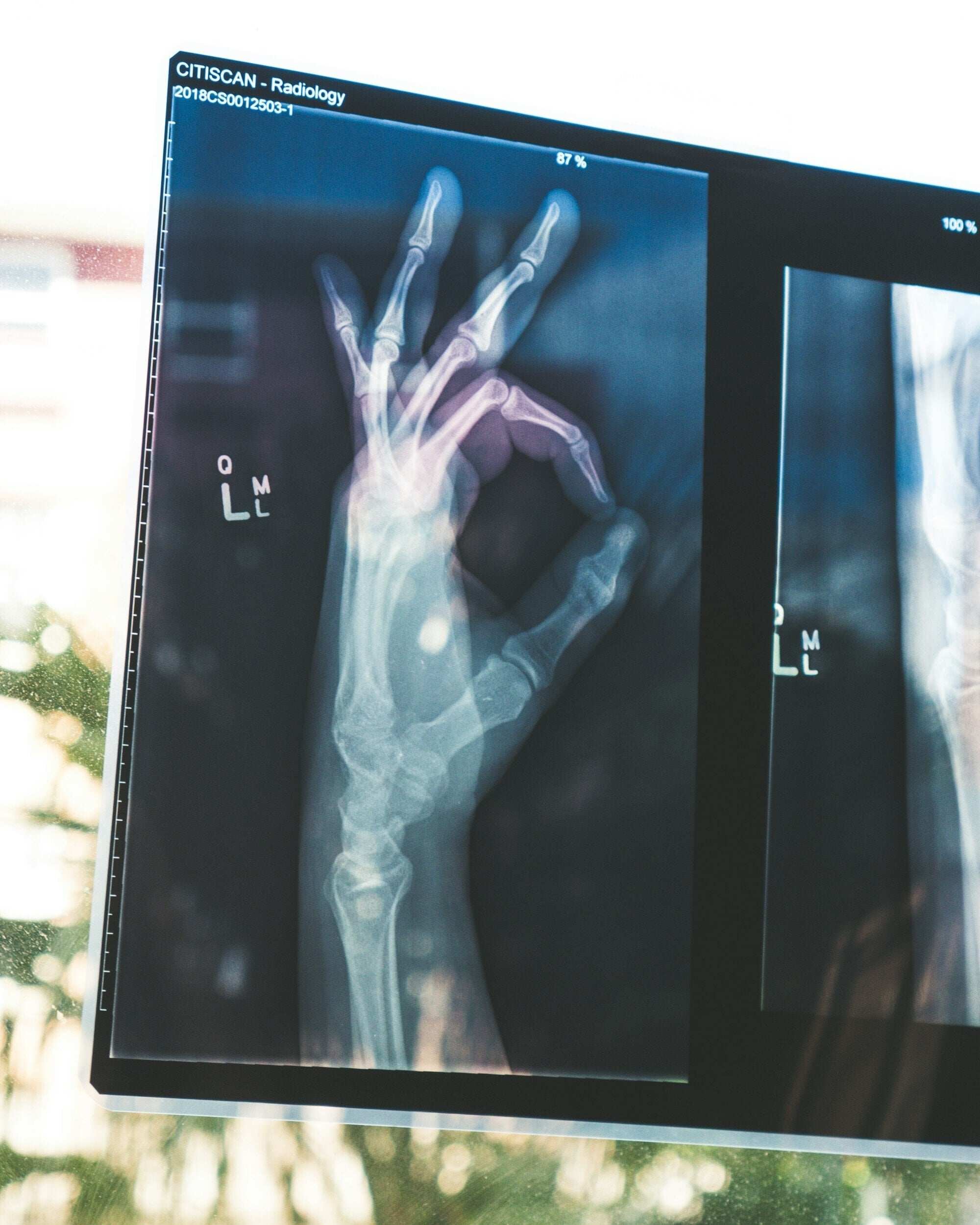
As women move into the post-menopausal years, the conversation around health often becomes frustratingly narrow — reduced to bone density numbers, aching joints, or a new diagnosis to manage. What I want my patients to truly understand is this: these changes are not isolated events, and they are far from inevitable in the way we've been led to believe.
This is a phase of profound biological transition. And when we approach it through the lens of personalized, integrative medicine, it becomes something else entirely — an opportunity to restore vitality, resilience, and full-body function.
The conditions we so often see at this stage — osteoporosis, osteoarthritis, and autoimmunity — share common underlying drivers: hormonal shifts, immune dysregulation, chronic inflammation, and changes in the body's capacity for tissue repair. To truly address them, we have to be willing to look deeper.
Let's start with hormones — not just estrogen
Estrogen decline is a significant contributor to bone loss, but it is only one piece of a far more complex hormonal network. Progesterone plays an important role in supporting bone formation. Testosterone is critical for maintaining muscle mass, strength, and bone integrity. DHEA supports immune balance and tissue repair. And cortisol — when chronically elevated or depleted — can accelerate bone breakdown and drive systemic inflammation.
In a personalized care model, we assess this full hormonal landscape. Not guessing — testing, and then reassessing as the body begins to respond. From there, targeted hormonal support, including bioidentical hormone therapy when appropriate, can help restore balance in a way that benefits bones, joints, brain, and immune function all at once.
Peptides — an emerging and powerful tool in regenerative medicine
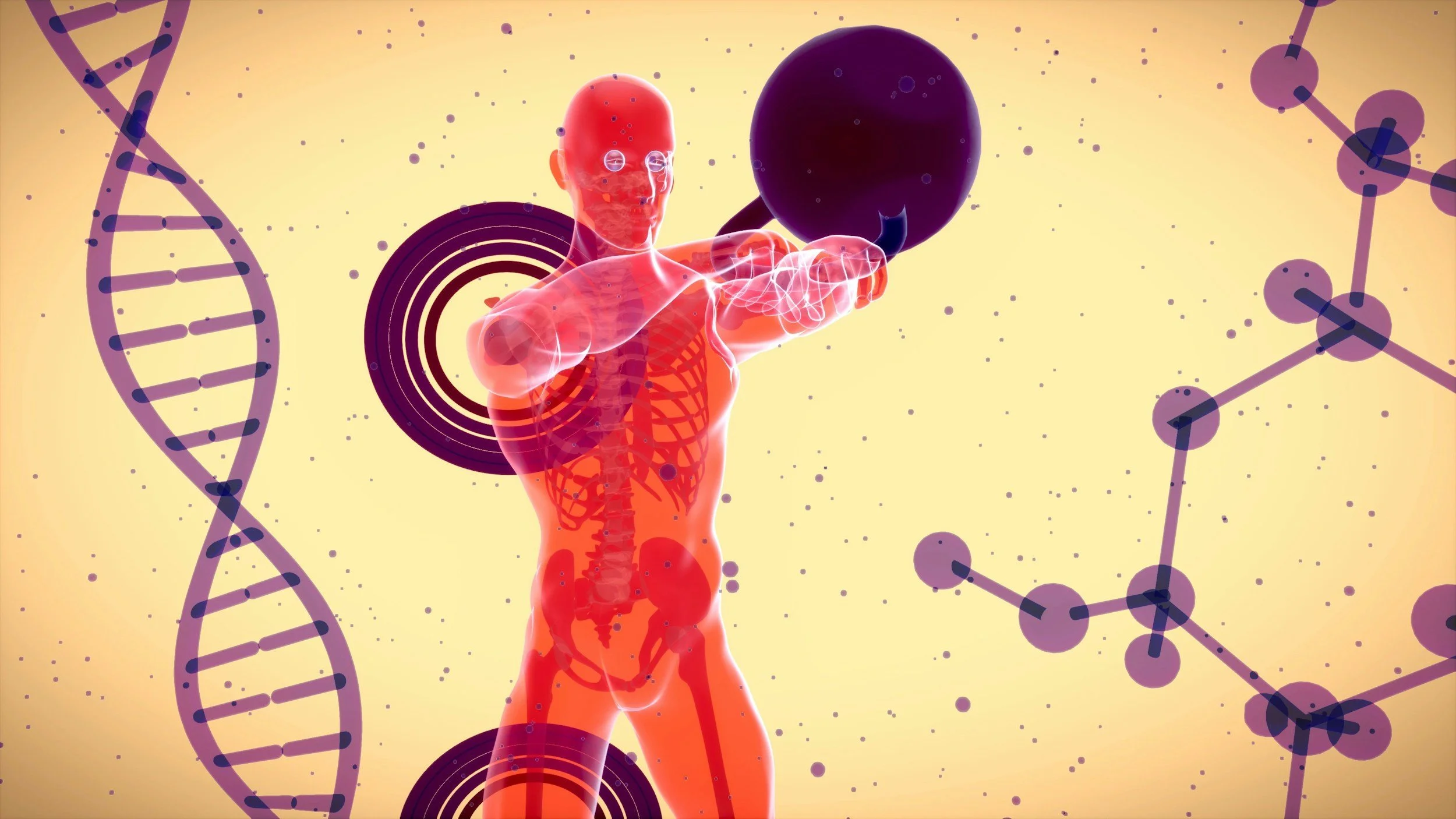
Peptides are short chains of amino acids that act as messengers in the body, guiding critical processes like tissue repair, inflammation modulation, and cellular function. Certain peptides can support healing, reduce inflammation, and help promote bone formation or protect cartilage. Others help regulate immune response or enhance mitochondrial function — our cells' fundamental ability to produce energy.
In post-menopausal women, where these natural repair processes begin to slow, peptides can help re-activate and support these pathways. When used thoughtfully, they can be a meaningful addition to care — complementing both functional and Chinese medicine approaches to help the body rebuild, rather than simply cope.
That said, peptides are still a relatively new therapeutic tool. Their use should always be intentional and periodically reassessed to ensure they are supporting — not disrupting — the body's natural hormonal balance and immune function over time.
Genetics adds another essential layer
Your genetic blueprint offers invaluable insight into how your body processes hormones, how efficiently you detoxify, how you regulate inflammation, and how you build and maintain bone. Variations in vitamin D receptors, collagen production pathways, or methylation can all meaningfully influence your risk for osteoporosis or autoimmunity.
When we incorporate this information, we move away from generalized recommendations and toward care that is truly personalized — matching nutrients, lifestyle strategies, and therapies to what your body actually needs.
None of this works in isolation

Nutrition remains foundational — but it becomes more strategic. Adequate protein supports not only muscle, but bone and connective tissue as well. Magnesium and key trace minerals help regulate bone remodeling. Anti-inflammatory foods calm the immune system and help protect joints from ongoing damage.
Gut health is central to everything — influencing nutrient absorption, immune balance, and the body's inflammatory state. If the gut is compromised, even the most carefully designed plan will fall short.
The integration of acupuncture and herbal medicine
From a Chinese medicine perspective, post-menopausal changes often reflect deeper deficiencies in the Kidney and Liver systems — networks that govern bones, tendons, and the flow of qi and blood throughout the body. Acupuncture helps regulate the nervous system, improve circulation, and reduce inflammation. Herbal formulas are tailored to the individual to support long-term restoration from the inside out.

Don’t overlook the nervous system
Chronic stress shifts the body into a physiological state that favors breakdown over repair. It disrupts hormones, suppresses immune function, and can quietly erode bone density over time. Supporting stress resilience — through acupuncture, sleep optimization, and intentional mind-body practices — is not a soft add-on to care. It is essential.
Final thoughts
The goal in all of this is not simply disease prevention. It is to create alignment across systems — hormonal, metabolic, immune, and structural — so the body can do what it is inherently designed to do.