
Most Health Insurance Plans Don’t Cover Functional or Direct-to-Consumer Testing but that doesn’t mean they lack value. One of the most common questions I hear in practice is: “If this testing is so helpful, why doesn’t my insurance cover it?” It’s a fair question—and the answer has less to do with validity and more to do with how our insurance system is structured.
Health insurance in the United States is built around diagnosing and managing established disease. It is designed to answer yes-or-no questions: Do you have diabetes? Is your thyroid function outside diagnostic range? Is your cholesterol high enough to warrant medication? Testing is typically covered when it supports a recognized diagnosis tied to a billing code. If there is no disease label, coverage often stops there.
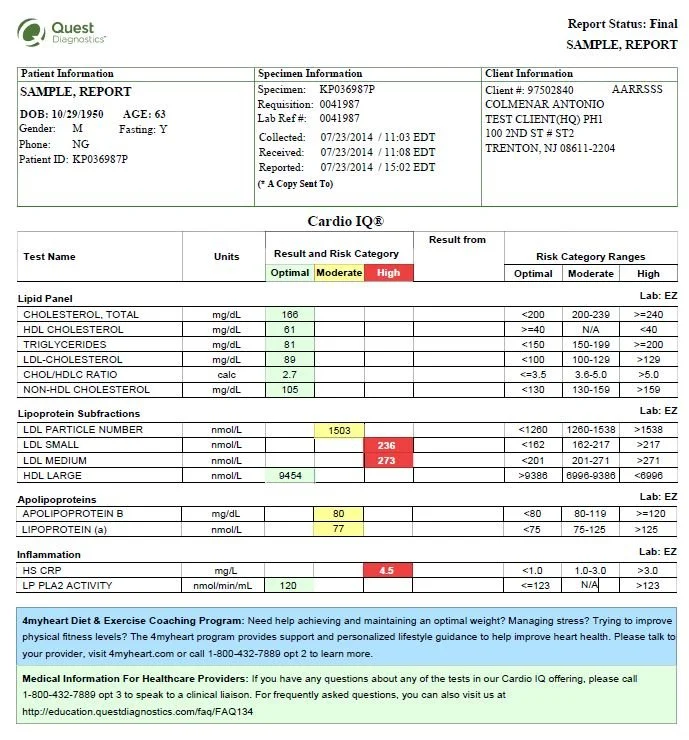
Functional medicine operates differently. My goal is not to diagnose disease—it’s to identify imbalance before it becomes disease. Functional testing allows us to look at physiology in a more nuanced way: early insulin resistance before diabetes develops, hormone metabolism patterns before severe symptoms arise, inflammatory trends before autoimmune progression, or nutrient insufficiencies that may never fall outside conventional lab ranges but are clearly affecting energy, mood, or resilience.
Because this approach is preventive and optimization-focused, insurance companies frequently categorize it as elective rather than medically necessary. That does not mean it lacks clinical relevance. It simply means it does not fit neatly into a disease-based reimbursement model.
It’s also important to distinguish between practitioner-guided functional testing and direct-to-consumer (DTC) testing. Functional testing is ordered within a clinical context. It may include advanced blood chemistry interpretation, comprehensive stool analysis, organic acids, hormone metabolite panels, or micronutrient assessments. Results are interpreted alongside symptoms, history, and physical findings to create a personalized plan.
Direct-to-consumer testing, by contrast, allows individuals to order labs or genetic kits without medical oversight. While access has improved awareness, interpretation can be limited without professional guidance. Insurance carriers are especially cautious about reimbursing testing that falls outside established diagnostic pathways or lacks broad consensus guidelines.
Where I find functional and genomic testing particularly valuable is in complex or chronic cases—when patients feel unwell but are told their labs are “normal.” These tools help us identify patterns rather than isolated numbers. They allow us to personalize nutrition, supplementation, botanical medicine, and lifestyle strategies with greater precision.
Epigenetic testing, evaluates DNA methylation patterns to estimate biological age and aging pace. This does not diagnose a specific disease. Instead, it helps us understand how lifestyle, stress, sleep, and environment are influencing gene expression over time. For patients focused on longevity and resilience, this can be incredibly informative.

Similarly, nutrigenomic testing examines how genetic variations influence nutrient metabolism, detoxification pathways, inflammation, and neurotransmitter balance. Your genes are not your destiny—but they do inform how your body responds to food, stress, and supplementation. Used appropriately, this data allows us to move away from guesswork and toward precision.
Insurance is reactive by design. Functional and genomic medicine are proactive. One waits for pathology; the other looks for patterns and opportunities to intervene early.
In my practice, I do not order testing indiscriminately. I order it when it will change clinical decision-making—when it helps us target care more effectively and avoid unnecessary trial and error. While these tests may not be reimbursed, they can offer clarity, direction, and long-term strategy in ways conventional screening cannot.
Ultimately, the goal is not more testing. It is the right testing, at the right time, for the right reason, and for the right person—so we can move from simply managing disease to cultivating resilience.
Curious how to optimize your health, influence metabolism, inflammation, and healthy aging? Book a visit at East West Wellness with Dr. Donna and let’s build your personalized strategy