
PMOS: The 4 Types and Why One-Size-Fits-All Treatment Fails

If you've been diagnosed with polycystic ovary syndrome (PCOS), you may have recently seen it referred to as PMOS. This isn't a new condition. In May 2026, The Lancet announced the official name change to polyendocrine metabolic ovarian syndrome (PMOS) following more than a decade of international research. The new name reflects what scientists and patients have long recognized: this is far more than an ovarian disorder.
PCOS Has a New Name: PMOS
The name change followed more than ten years of global collaboration involving over 22,000 patients, clinicians, and researchers. Led by Monash University and endorsed by organizations including the Endocrine Society and the American Society for Reproductive Medicine, the goal was to better reflect the true nature of the condition.
The previous name was misleading. The "polycystic" appearance seen on ultrasound isn't caused by cysts, but by numerous small, immature follicles. More importantly, the name placed the focus on the ovaries when PMOS is actually a complex endocrine and metabolic disorder that affects the entire body.
The new name reflects this broader understanding:
Polyendocrine recognizes that multiple hormone systems are involved.
Metabolic emphasizes insulin resistance and increased cardiovascular risk.
Ovarian acknowledges the important reproductive effects of the condition.
This isn't simply a name change—it's a shift toward earlier recognition, more comprehensive evaluation, and more personalized care.
PMOS Isn't One Condition—It's Four
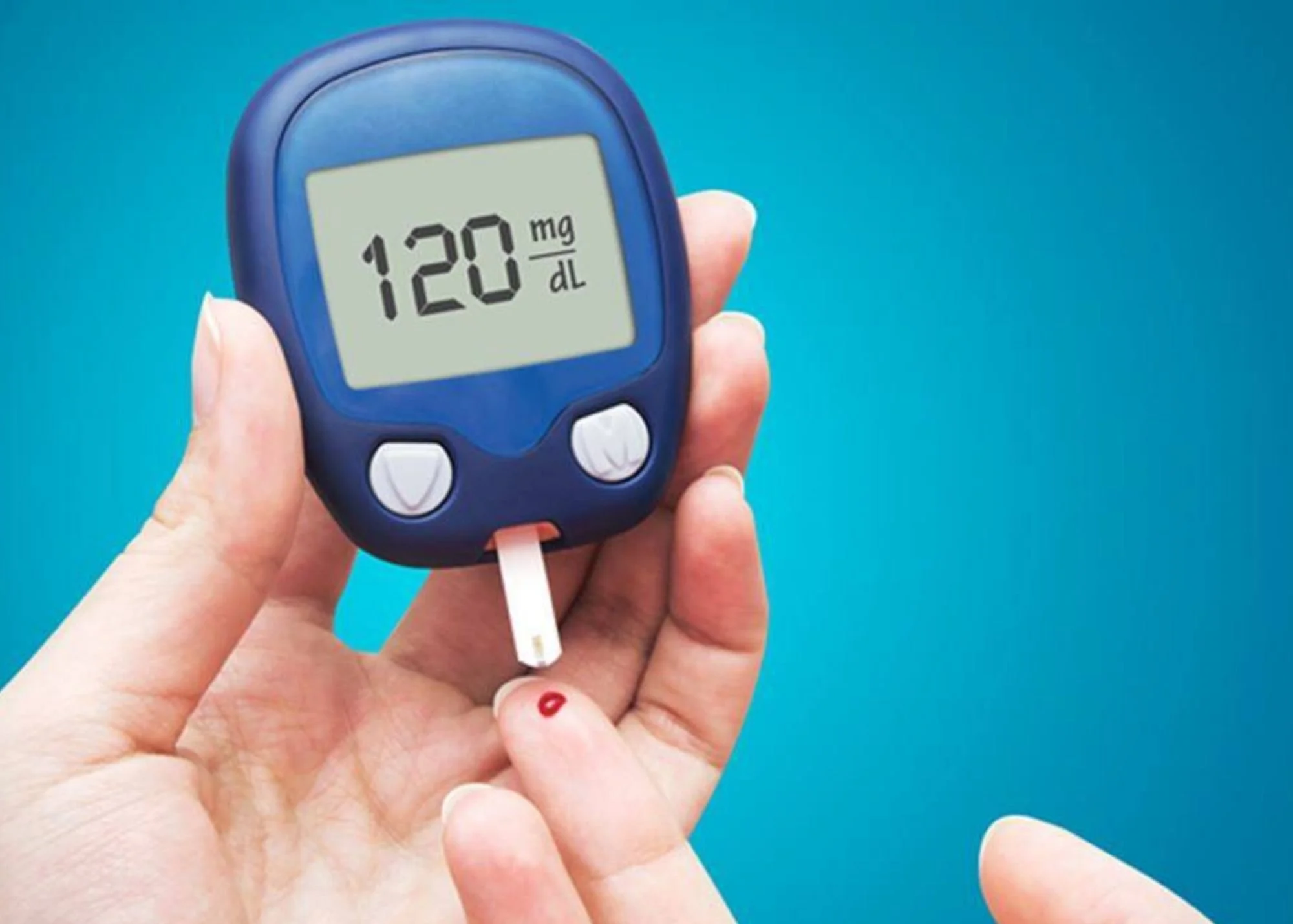
Another reason treatment has often fallen short is that PMOS isn't the same for everyone. Based on the Rotterdam diagnostic criteria, four recognized phenotypes exist, each defined by at least two of three features: irregular ovulation, elevated androgens (or androgen-related symptoms), and polycystic-appearing ovaries.
Type A – Classic PMOS
Irregular ovulation, elevated androgens, and polycystic ovaries are all present. This phenotype carries the greatest metabolic risk and is most commonly associated with insulin resistance.
Type B – Non-Polycystic PMOS
Irregular ovulation and elevated androgens are present, but the ovaries appear normal on ultrasound. This type is often overlooked because ovarian appearance remains heavily emphasized.
Type C – Ovulatory PMOS
Elevated androgens and polycystic ovaries are present, but ovulation remains regular. Normal menstrual cycles can delay diagnosis despite ongoing hormonal and metabolic concerns.
Type D – Non-Androgenic PMOS
Irregular ovulation and polycystic ovaries occur without elevated androgens. This is generally considered the mildest phenotype, though it remains an area of ongoing research.
Each phenotype has different hormonal patterns, metabolic risks, and underlying drivers, making individualized treatment essential.
Why One-Size-Fits-All Treatment Falls Short
Conventional treatment often looks similar regardless of phenotype: oral contraceptives to regulate cycles, metformin for insulin resistance, or spironolactone to reduce androgen symptoms. While these therapies can be helpful, they have important limitations.
They manage symptoms more than underlying causes. Hormonal contraceptives may regulate bleeding and improve acne but don't correct the metabolic dysfunction driving the condition for many women.
They don't account for individual phenotypes. Someone with significant insulin resistance requires a different strategy than someone whose primary concern is ovulatory dysfunction.
They can mask important markers. Hormonal medications alter menstrual patterns and hormone levels, making it harder to monitor the underlying condition over time.
Metabolic screening is often underutilized. Many women receive treatment for reproductive symptoms without routine evaluation of insulin resistance, blood sugar regulation, or cardiovascular risk.
Our Integrative Approach at East West Wellness
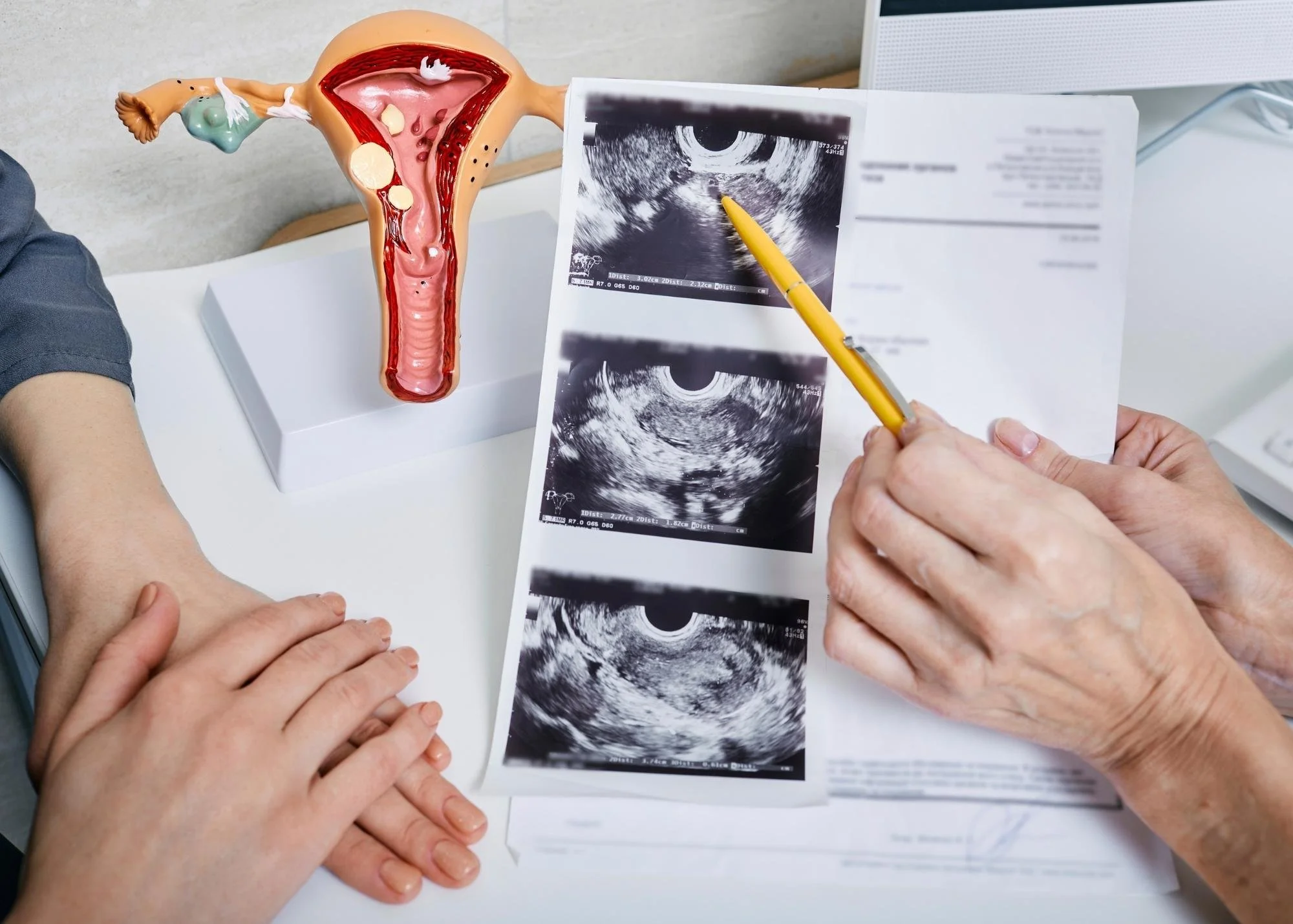
At East West Wellness, we believe effective care begins by understanding your unique presentation rather than treating everyone the same.
Phenotype-specific assessment to identify your PMOS subtype and guide treatment.
Comprehensive metabolic evaluation, including fasting insulin, HOMA-IR, lipid markers, and other functional testing when appropriate.
Root-cause metabolic support through personalized nutrition, movement, sleep, stress management, and evidence-based supplements such as myo-inositol or berberine when clinically indicated.
Individualized hormone support that addresses the underlying contributors to androgen excess rather than focusing solely on symptom suppression.
Fertility-focused care that supports healthy ovulation and hormone balance for women trying to conceive instead of simply suppressing the menstrual cycle.
The Bottom Line
The transition from PCOS to PMOS represents more than updated terminology—it reflects a better understanding of this condition as a complex endocrine and metabolic disorder. Recognizing the four distinct phenotypes reinforces what personalized medicine has long known: effective treatment begins by identifying each person's unique drivers, not by applying the same protocol to every diagnosis.
At East West Wellness, we combine functional medicine, personalized nutrition, and Traditional Chinese Medicine to create individualized treatment plans that address the root causes of PMOS and support long-term hormonal and metabolic health.