
Is Your Sleep Problem Really a Sleep Problem?
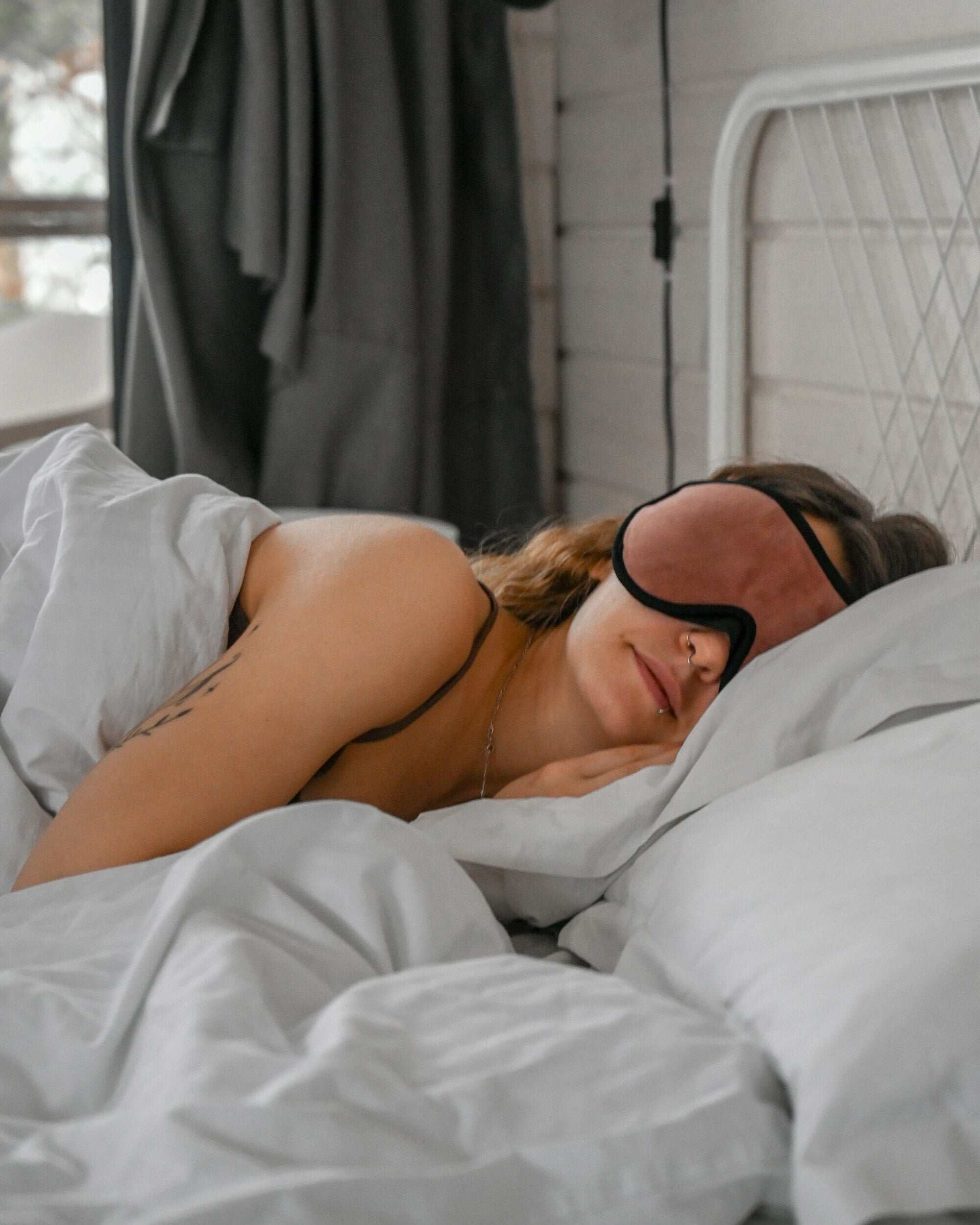
You're exhausted, you finally get into bed—and your brain switches on. Or you fall asleep fine but wake at 2 or 3 a.m. and can't drift off again. Or you sleep eight hours and still wake unrefreshed. The usual fix is to treat the sleep itself: melatonin, magnesium, an earlier bedtime, better "sleep hygiene." These can help. But if your sleep stays disrupted, consider a different question: what if sleep isn't the primary problem?
Sleep is often where a problem becomes visible, not where it begins. Hormones, stress physiology, cortisol, blood sugar, circadian rhythm, medications, alcohol, caffeine, pain, inflammation, and breathing disorders can all disrupt it. That's why sleep is best understood by looking at what lies underneath—not as an isolated symptom.
Start With the Pattern
"Poor sleep" means different things: trouble falling asleep, waking repeatedly, waking too early, restless sleep, or sleeping enough but waking unrefreshed. These distinctions are clues. Someone lying awake with a racing mind likely has a different driver than someone who wakes at 3 a.m. hot, hungry, or anxious.
If you snore, gasp during sleep, wake with headaches, or feel very sleepy during the day, consider sleep-disordered breathing. This matters especially for women during perimenopause and or menopause, when obstructive sleep apnea risk rises and symptoms may not fit the classic picture.
For chronic insomnia, the American Academy of Sleep Medicine strongly recommends cognitive behavioral therapy for insomnia (CBT-I). Sleep hygiene alone is not considered sufficient treatment—so being told to "turn off your screens and go to bed earlier" may not solve the problem.
Stress, Cortisol, and “Tired but Wired”

A common pattern is a nervous system that can't shift from daytime vigilance into nighttime recovery—physically exhausted but mentally still "on." This is where cortisol deserves some attention.
Cortisol isn't a "bad" hormone. It follows a daily rhythm, rising near waking to promote alertness and declining through the day, closely tied to the sleep-wake cycle. Chronic stress, insufficient sleep, and disrupted circadian rhythms can affect this system—and sleep loss itself alters cortisol, creating a reinforcing cycle. So "your cortisol is high, that's why you can't sleep" oversimplifies and the biology is more complicated than that. The better question: is your stress-response system transitioning properly from daytime activation into nighttime recovery?
Hormones Can Change the Equation
For women in perimenopause and menopause, changing estrogen and progesterone affect thermoregulation, mood, and sleep. Hot flashes and night sweats can wake you directly, but hormonal shifts also interact with stress physiology and circadian regulation—often producing nighttime waking, anxiety, greater stress sensitivity, and difficulty falling back asleep at once.
This is where cortisol and hormones may intersect, so rather than blaming one hormone, look at the whole hormonal and physiological picture.
Caffeine: A Disruptor You May Not Feel

"I drink coffee in the afternoon and still fall asleep." Maybe, but falling asleep is only one measure. A 2023 systematic review and meta-analysis found caffeine cut total sleep time by about 45 minutes, reduced sleep efficiency and deep sleep, and increased nighttime waking, with larger, later doses having greater effects. You needn't quit coffee but your individual response matters. Experiment with timing, not just quantity.
Alcohol Makes You Sleepy Without Improving Sleep
A glass of wine may help you relax and fall asleep faster, but sedation isn't restorative sleep. A 2025 systematic review and meta-analysis found alcohol altered sleep architecture, especially REM sleep, even at low doses, with more disruption at higher intake. Instead of "does alcohol help me fall asleep?" ask "what happens to my sleep after I fall asleep?"
Don't Automatically Blame Blood Sugar
Blood sugar is a popular explanation for nighttime waking, but it needs nuance. Inadequate food, too little protein, long gaps between meals, alcohol, or an unbalanced dinner may contribute to nighttime hunger or restlessness—but not every 3 a.m. awakening is a blood sugar crash. Look at the pattern: Are you well-nourished during the day? Getting enough protein and energy? Training hard without recovery? Does sleep change after alcohol or a light dinner? Objective data can help separate a real physiological pattern from a popular theory.
Look Beyond the Obvious
Sleep can also be affected by iron deficiency, thyroid dysfunction, restless legs, chronic pain, reflux, medications, stimulants, and corticosteroids. And your circadian rhythm responds not to your bedside clock but to morning light, physical activity, meal timing, and evening light exposure—which is why what happens during the day matters, not just at bedtime.
What Can You Do?
After a few bad nights, don't panic or pile on supplements. Look for patterns.
Track your sleep for two weeks. Note bedtime, when you fall asleep and wake, caffeine and alcohol, exercise, meals, and how you feel by day. Look for patterns, not perfect numbers.
Protect your morning light. Get outside soon after waking—morning light is one of the strongest circadian signals. Add movement when you can.
Check caffeine timing. Move it earlier rather than just cutting the amount; it may need to be much earlier than you'd expect.
Try alcohol-free evenings. Remove your evening drink for a couple of weeks and watch sleep quality, not just how fast you fall asleep.
Don't undereat during the day. Ensure adequate protein, calories, fiber, and micronutrients—especially if you exercise, diet aggressively, or skip meals.
Address the driver, not just the symptom. If problems persist, look at hormones, cortisol and stress, thyroid, iron, medications, sleep apnea, nutrition, pain, and digestion. For chronic insomnia, work with a professional trained in CBT-I, which has far stronger evidence than sleep hygiene alone.
Sleep Is Information
An integrative approach doesn't force a choice between conventional medicine, functional medicine, nutrition, or Traditional Chinese Medicine—each helps ask better questions. Functional medicine looks for physiological drivers; nutrition asks whether you're adequately nourished; conventional medicine catches sleep apnea, thyroid dysfunction, and iron deficiency; TCM looks at the pattern behind the symptom, since two people with insomnia may need very different approaches.
Your sleep may not be the problem; it may just be the messenger. Instead of asking "What can I take to sleep better?", ask "What is my body trying to tell me?" That question leads much closer to the real solution.