
Energetics of Beef: Grass Fed for the Win!
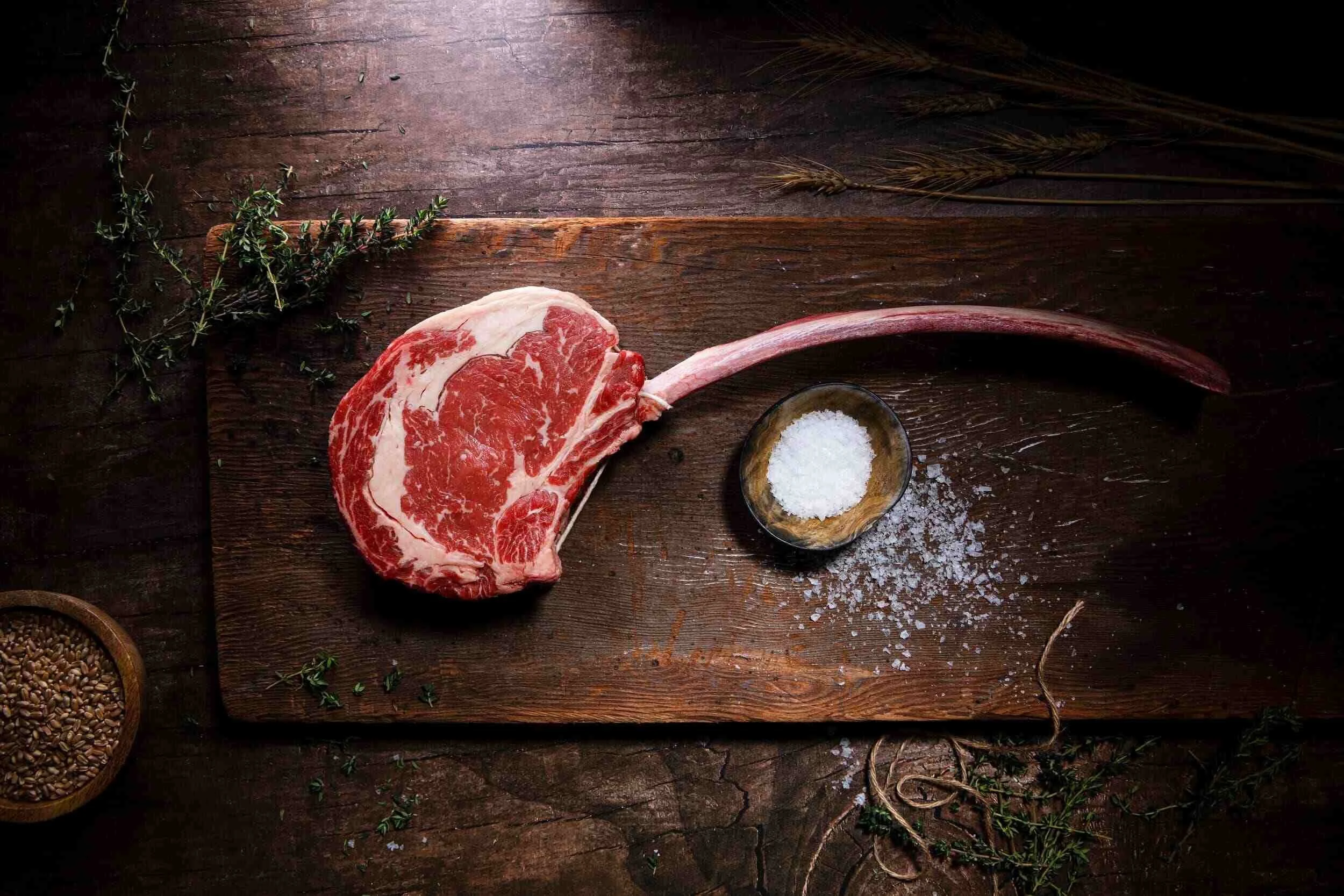
Beef has been a staple food across cultures for thousands of years, valued for its rich flavor, versatility, and dense nutritional profile. From slow-cooked comfort dishes to quick, savory meals, beef provides essential protein, iron, and minerals that support strength, energy, and overall vitality, making it a timeless culinary favorite worldwide.
Varieties of Cuts
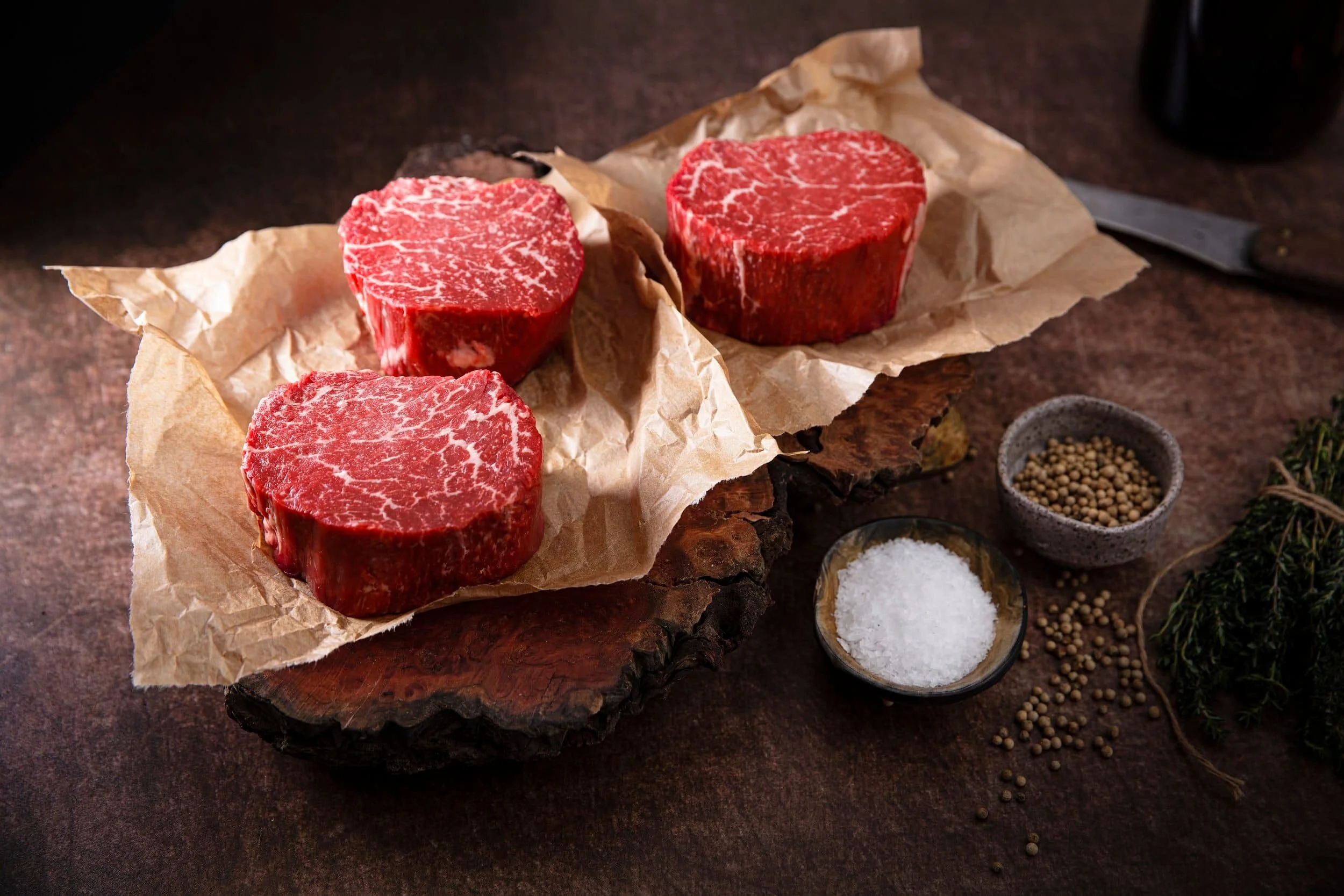
Leanest: Eye of round, top round, and bottom round. These cuts come from the back leg bone, called the round bone.
Fattiest: Ribeye, rib, spare rib, and brisket. These come from the underbelly of the cow.
Grades for Grass-Fed Beef: Prime, Choice, and Select.
Prime is the most tender and flavorful, with the highest fat content. Be warned that while beef must be inspected via the USDA, the grading system is not mandatory, so not all beef has been graded.
Veal: Meat from young calves, between 2-3 months old. There is a lot of controversy over the raising and butchering of veal, which has contributed to its decline in popularity. If you wish to eat veal, make sure that the veal was humanely pasture-raised and fed milk from its mother, not fed formula. There is a high chance that formula may contain antibiotics and other additives.
How to Choose and Store
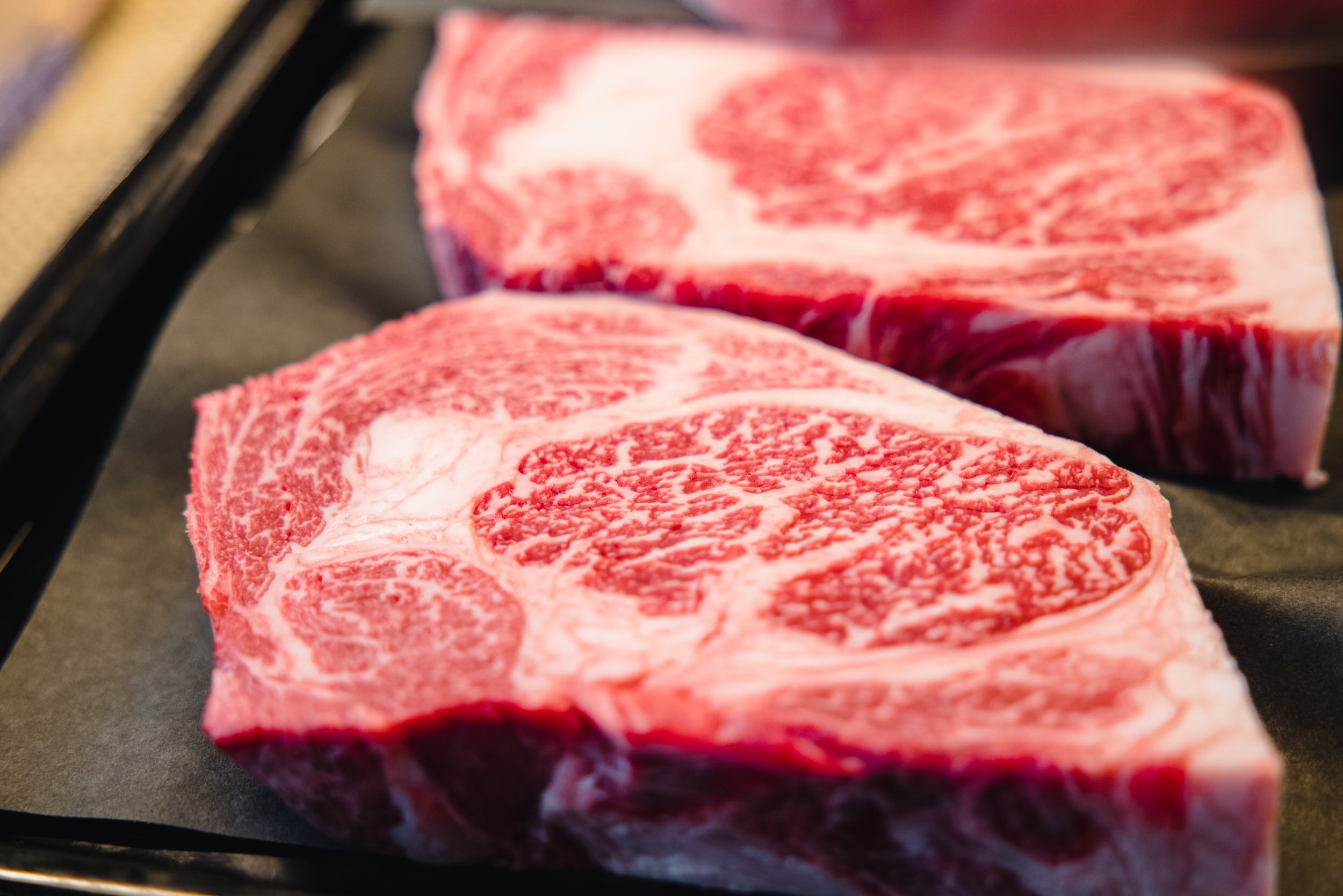
To enjoy the freshest and best quality beef, always examine the sell-by-date and choose the meat that has the latest date. Beef should be re or slightly purplish in color and any fat or marbling should be white in color. Avoid beef that is brown or grey, as this signifies that the beef has been exposed to oxygen and spoiled. Also avoid beef that has yellow fat, as this is a sign that the meat came from an older animal and it will not be as tender or flavorful.
As with any meat, beef is highly perishable. It should always be kept cold, whether in a fridge or freezer. If planning to store in the fridge, always keep it in the packaging it came in. The storage time varies depending on the cut, the larger the cut the longer it will stay fresh. Ground beef is only good stored in a fridge for a few days, steaks will stay fresh 2-3 days, and roasts will stay fresh for 3-5 days.
Nutrition
The jury is still deliberating on the “healthiness” of red meat, but the main factor is how you are consuming it. Eating a greasy burger with bacon, cheese, sauces and a side of deep-fried fries is probably not a healthy way to eat beef, but a good organic grass-fed steak with a side of steamed veggies or a rump roast with roasted root veggies is a great meal.
Beef is a fantastic source of iron, an important component of hemoglobin in the blood that helps transport oxygen throughout the body. Unsurprisingly, beef is a great source of protein. Protein is an extremely important macronutrient that is responsible for helping our bodies create numerous different molecules that guide our body’s processes. Protein works as structural components, as in muscles and antibodies, and transport components, such as delivering oxygen throughout the body. Consuming beef and other animal meat has been shown to improve bone health. Beef contains a high concentration of mineral zinc, which has been linked to increased bone strength and density (especially in men). Beef also contains selenium (helps destroy free-radical damage), vitamin B6, vitamin B12 and niacin (heart health, vitamin B12 and phosphorus (energy-boosting), and tryptophan (sleep aid).
Energetics
Beef is warming in temperature and is sweet in flavor. Beef helps strengthen the Spleen and Stomach, builds blood, increases Qi energy, and strengthens the sinews and bone. Beef is used to treat wasting disease (TCM term for diabetes), insufficient yin and/or blood (showing up as dryness and emaciation), general weakness, low backache, and weak knees.
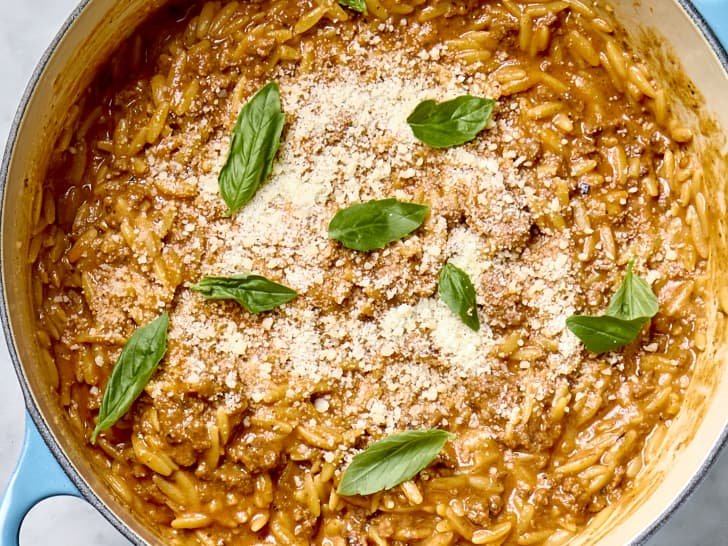
Creamy One-Pot Beef Orzo
Ingredients
1 ounce Parmesan cheese (1/2 packed cup freshly grated or 1/4 cup store-bought grated), plus more for serving
1 tablespoon olive oil
1/4 teaspoon red pepper flakes (optional)
1 pound lean ground beef
3/4 teaspoon kosher salt, plus more as needed
1 teaspoon onion powder
1 teaspoon garlic powder
1 teaspoon dried Italian seasoning
1/2 teaspoon freshly ground black pepper, plus more as needed
2 cups or 1 (14.5-ounce) can beef broth, plus more as needed
1 (15-ounce) can tomato sauce
1 cup dried orzo pasta (about 6 1/4 ounces)
1/4 cup heavy cream or half-and-half
Fresh basil leaves, for serving (optional)
Instructions
Finely grate 1 ounce Parmesan cheese on the small holes of a box grater if needed (about 1/2 cup), or measure out 1/4 cup store-bought grated. Grate more for serving if desired.
Heat 1 tablespoon olive oil and 1/4 teaspoon red pepper flakes, if using, in a Dutch oven or heavy-bottom pot over medium-high heat until the oil is shimmering. Add 1 pound lean ground beef and season with 3/4 teaspoon kosher salt, 1 teaspoon onion powder, 1 teaspoon garlic powder, 1 teaspoon dried Italian seasoning, and 1/2 teaspoon black pepper. Cook, breaking up the meat into smaller pieces with a wooden spoon, until browned and cooked through, 5 to 7 minutes.
Add 2 cups or 1 (14.5-ounce) can of beef broth, 1 (15-ounce) can tomato sauce, and 1 cup dried orzo pasta. Bring to a boil, stirring constantly. Reduce the heat to low to maintain a simmer and cook, stirring constantly so that the orzo doesn’t stick to the bottom of the pot, until most of the liquid is absorbed and the orzo is al dente, about 8 minutes or according to package instructions. (If the orzo isn’t completely cooked at this point, add more broth or water to the pot and continue to simmer until it has.)
Remove the pot from the heat. Add 1/4 cup heavy cream or half-and-half and the Parmesan, and stir to combine. Taste and season with more kosher salt and black pepper as needed. Serve topped with more Parmesan cheese and torn fresh basil leaves if desired.
Source
https://www.thekitchn.com/ground-beef-orzo-recipe-23620152
Mateljan, George. The World’s Healthiest Foods: Essential Guide for the Healthiest Way of Eating. George Mateljan Foundation: Seattle, 2007. Print.
Pitchford, Paul. Healing with Whole Foods: Oriental Traditions and Modern Nutrition. North Atlantic Books: Berkeley, 1993. Print.