
Insulin Resistance: Type 2 Diabetes Risk You Can Reverse
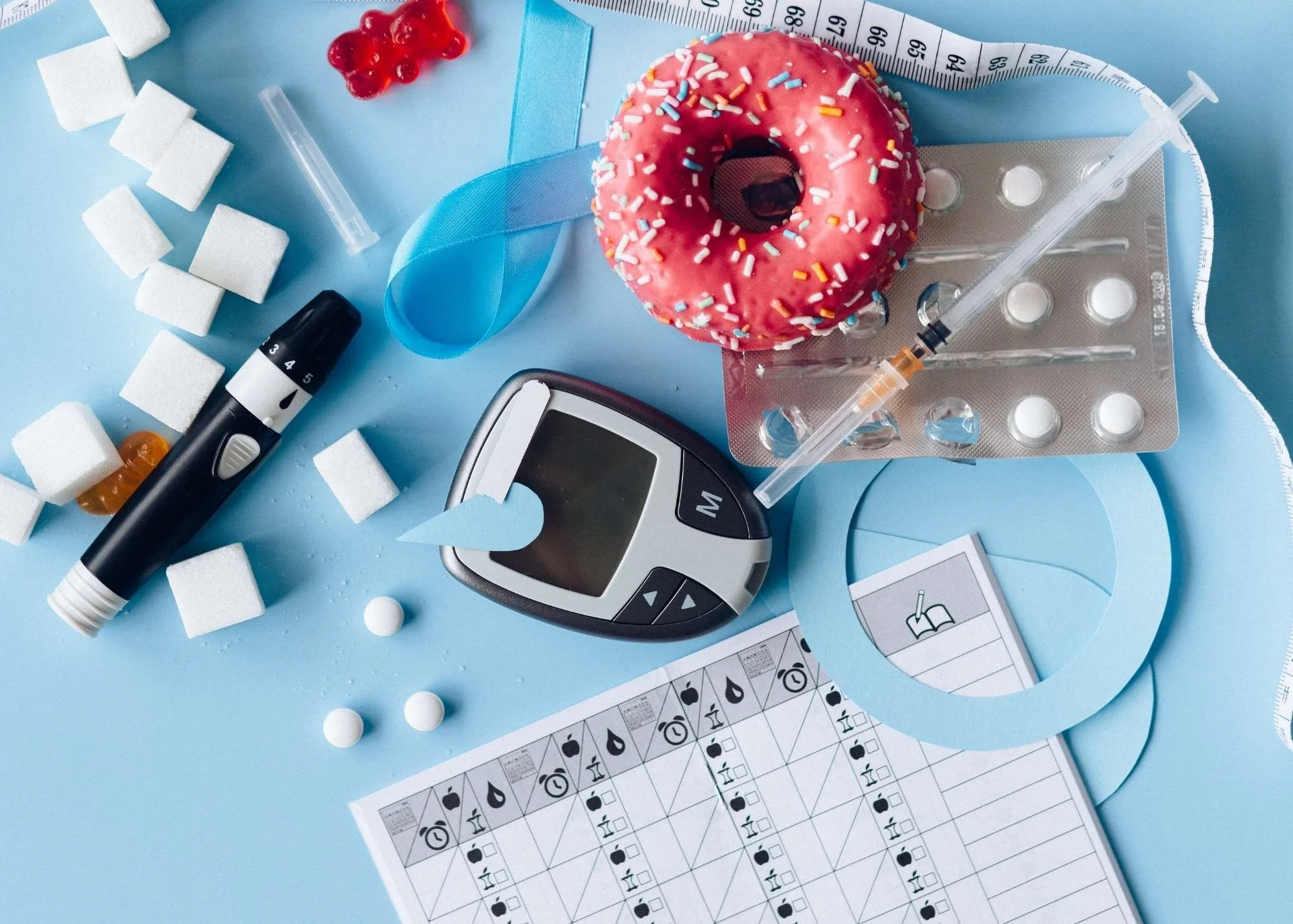
Type 2 diabetes doesn't appear overnight. It's the endpoint of a process that can quietly unfold for years before blood sugar ever crosses into "diabetic" territory. That process is called insulin resistance — and unlike diabetes itself, it's often reversible.
What Is Insulin Resistance?
Insulin is a hormone that acts like a key, unlocking your cells so glucose can enter and be used for energy. In insulin resistance, cells stop responding properly to that signal — the key still exists, but the lock is harder to turn.
Your pancreas compensates by producing more insulin to force glucose into cells. Blood sugar stays "normal" for a while because insulin output rises to cover the shortfall. That compensation can't continue indefinitely.
Why Standard Testing Often Misses It
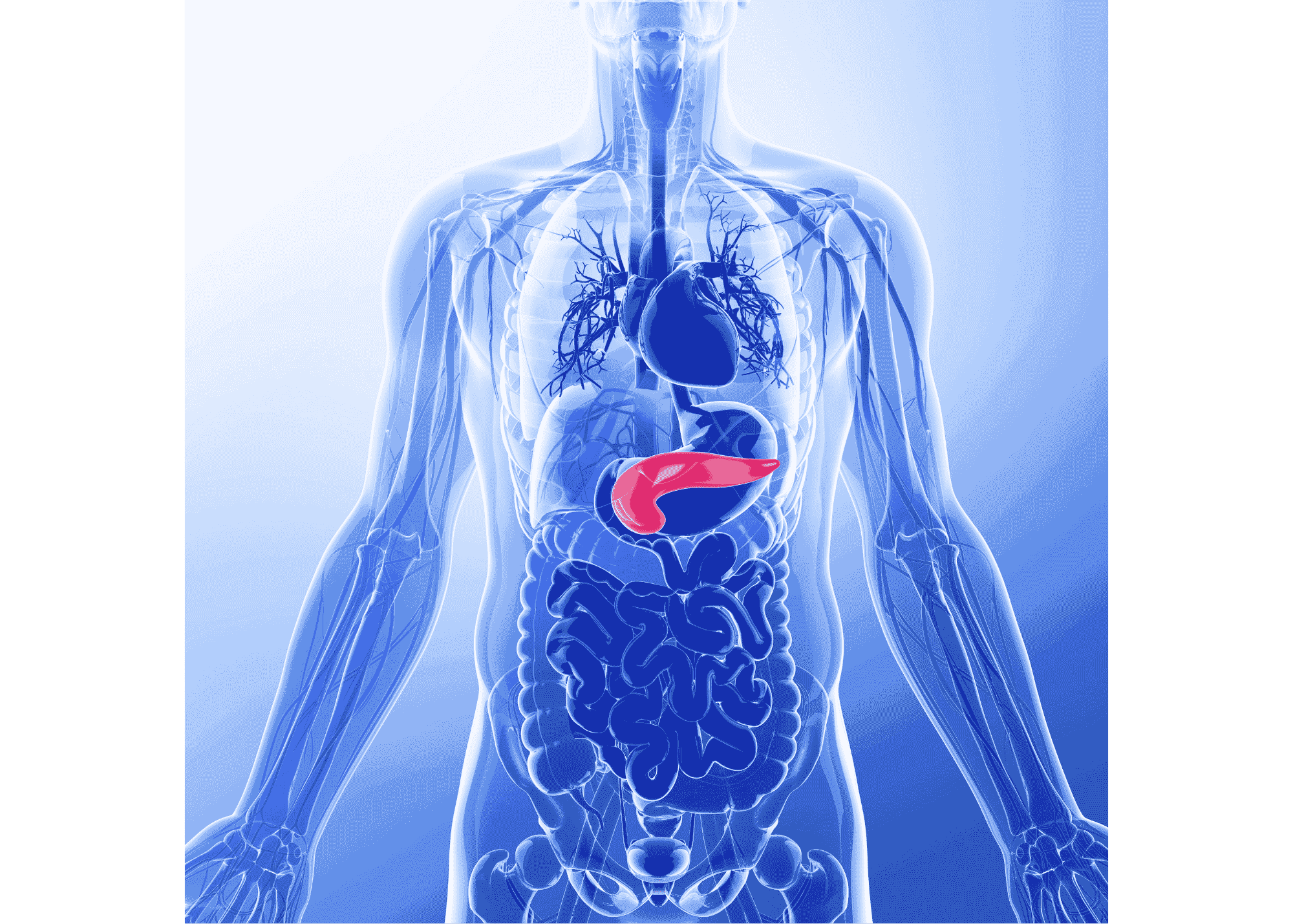
Fasting glucose and even HbA1c often stay normal throughout most of the insulin resistance process, because the pancreas is working overtime to compensate. By the time these markers become abnormal, insulin resistance has usually been present for years.
Fasting insulin is a more sensitive marker — it shows how hard the pancreas is working to maintain that "normal" glucose level. Elevated fasting insulin, even with normal glucose, is one of the earliest detectable signs. HOMA-IR (which combines fasting glucose and insulin) sharpens the picture further.
Common Signs and Symptoms
Insulin resistance itself often doesn't cause obvious symptoms early on, but there are clues:
Increased abdominal fat, even without significant weight gain elsewhere
Fatigue after carb-heavy meals
Sugar or carb cravings
Difficulty losing weight despite diet and exercise
Darkened skin patches at the neck or armpits (acanthosis nigricans)
Skin tags
Irregular cycles, often related to PCOS
Brain fog after meals
What Drives Insulin Resistance?
Diet composition. Frequent refined carbs and added sugar drive repeated large insulin releases, which can contribute to receptor desensitization over time.
Excess visceral fat. Fat around the abdominal organs releases inflammatory compounds that interfere with insulin signaling.
Chronic inflammation. Inflammatory markers directly disrupt the pathways insulin uses to move glucose into cells.
Sedentary behavior. Muscle is a primary site of glucose disposal; inactive muscle becomes less insulin-responsive.
Poor sleep. Even short-term sleep deprivation measurably reduces insulin sensitivity.
Chronic stress. Elevated cortisol raises blood glucose and worsens insulin resistance, linking this condition to HPA axis health.
Why Catching It Early Matters

Untreated, insulin resistance is linked to more than type 2 diabetes — including cardiovascular disease, fatty liver disease, PCOS, certain cancers, and cognitive decline. The upside: it responds remarkably well to lifestyle intervention, often more so than after a full diabetes diagnosis.
Why "Remission," Not "Cured"
If lifestyle changes bring HbA1c back to normal, it's tempting to call diabetes cured. Clinically, it's not — it's in remission, and the distinction matters.
HbA1c reflects average blood sugar over the past two to three months, not the underlying state of your insulin-producing cells. A normal result means blood sugar is currently well-controlled, but the tendency toward insulin resistance — from genetics, visceral fat, inflammation, or years of beta-cell strain — is still there in the background. Reverse the habits that got you there and blood sugar can climb again, often faster than before.
It's the same logic used in cancer remission: no active disease detected, but recurrence risk still warrants monitoring. "Remission" keeps that vigilance in place; "cured" would suggest it's safe to stop paying attention.
Our Integrative Approach
1. Comprehensive testing. Fasting insulin and HOMA-IR, not just glucose and A1c, for an earlier read on what's happening metabolically.
2. Dietary strategy. Carbohydrate intake, meal timing, and food pairing tailored to reduce insulin demand — not a generic "low sugar" rule.
3. Movement, with a focus on muscle. Resistance training in particular improves insulin sensitivity by building glucose-absorbing muscle tissue.
4. Sleep optimization. Treated as a core part of the plan, not an afterthought, given its outsized effect on insulin sensitivity.
5. Stress and cortisol management. Nervous system support woven in alongside diet and movement.
6. Targeted supplementation. Berberine, chromium, magnesium, or alpha-lipoic acid, chosen based on individual labs.
The Bottom Line
Insulin resistance is one of the most common — and most under-detected — metabolic issues affecting adults today, developing silently behind "normal" standard labs. Caught early, it's one of the more responsive conditions to targeted lifestyle intervention.