
Summer Hydration -- More Water Isn't Always the Answer

Every summer, I start hearing the same thing: "I've been drinking so much water, but I'm still so puffy." Puffy eyes, swollen fingers, that bloated, heavy feeling — and the scale jumping a few pounds overnight. Or I might hear, “No matter how much water I drink I still feel thirsty.” The go-to assumption is always dehydration. But in my experience, what's actually happening is more nuanced than that.
Edema — fluid trapped in your tissues — is rarely a simple water shortage. More often, it's a fluid regulation problem. And that's a very different thing to fix.
The key players are your electrolytes. Minerals like sodium, potassium, and magnesium are what actually move water into the right compartments — inside your cells, where hydration matters. When those minerals are out of balance, water gets stuck in tissues instead. You can drink plenty and still feel like a water balloon.
Summer makes everything worse. Heat, sweating, travel, alcohol, restaurant meals — all of it shifts your electrolyte balance. Add in processed foods high in sodium and low in potassium, and you've got a recipe for that puffy, sluggish feeling by mid-July.
Blood sugar plays a bigger role than most people realize. Large carb-heavy meals, sugary drinks, and late-night eating spike insulin, which signals your kidneys to hold onto sodium — and where sodium goes, water follows. This is often why you wake up with tighter rings or a higher number on the scale after a summer cookout, even if you drank water all day.

Refined sugar also raises osmotic pressure in the bloodstream, actually pulling water away from your cells. So you may feel thirsty even when you're technically not dehydrated. Sugary sports drinks and sweetened beverages compound this — they quench thirst momentarily but don't support real cellular hydration.
Inflammation is another piece. Alcohol, poor sleep, stress, and ultra-processed foods all increase something called vascular permeability — essentially, your blood vessels become leaky, and fluid seeps into surrounding tissue. The lymphatic system, which clears that fluid, relies on movement and breathing to do its job. Long flights, sedentary days, and heat can slow it down considerably.
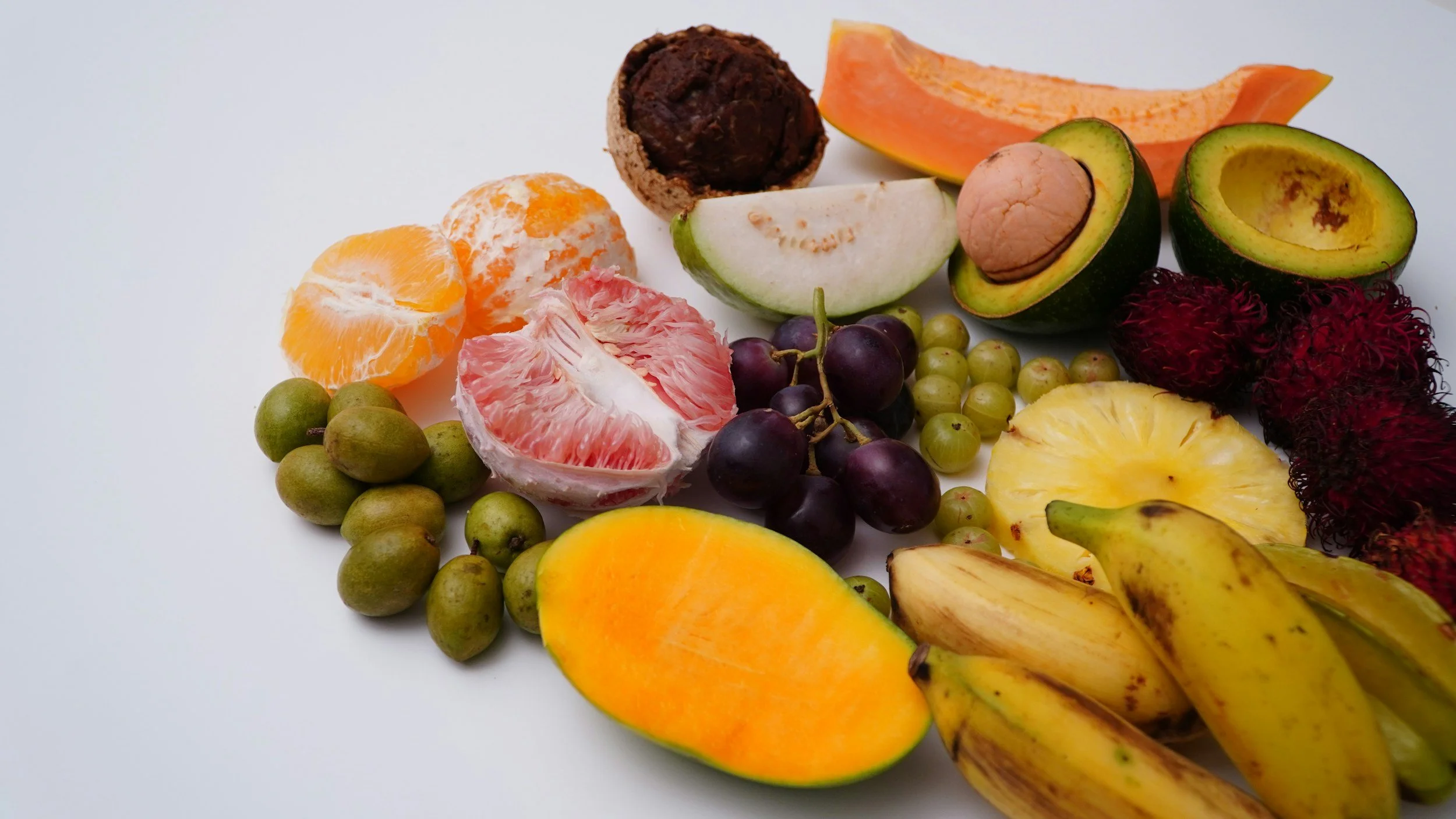
What actually helps? Focus on mineral balance, not just water volume. Potassium-rich foods — leafy greens, avocado, melon, citrus, coconut water — can be remarkably effective. Magnesium supports fluid regulation too. For active summer days, think watermelon with a pinch of sea salt, cucumber and avocado, or a protein snack paired with an electrolyte drink rather than a sugary sports beverage.
Gentle movement, deep breathing, dry brushing, and sauna can all support lymphatic drainage when you've been sitting or traveling.
The bottom line: if you're struggling with puffiness this summer, more plain water isn't always the answer. Your body may not be asking for more fluid — it may be asking for better balance. I see it all the time — people doing everything right and still not feeling their best. Often, the missing piece is hiding in their nutrient levels. A micronutrient test gives us a real picture of what's depleted, so we can build a plan that actually works for your body.
Let's find your missing pieces. Book your micronutrient test today.