Why More Front Range Residents Are Turning to Integrative Medicine
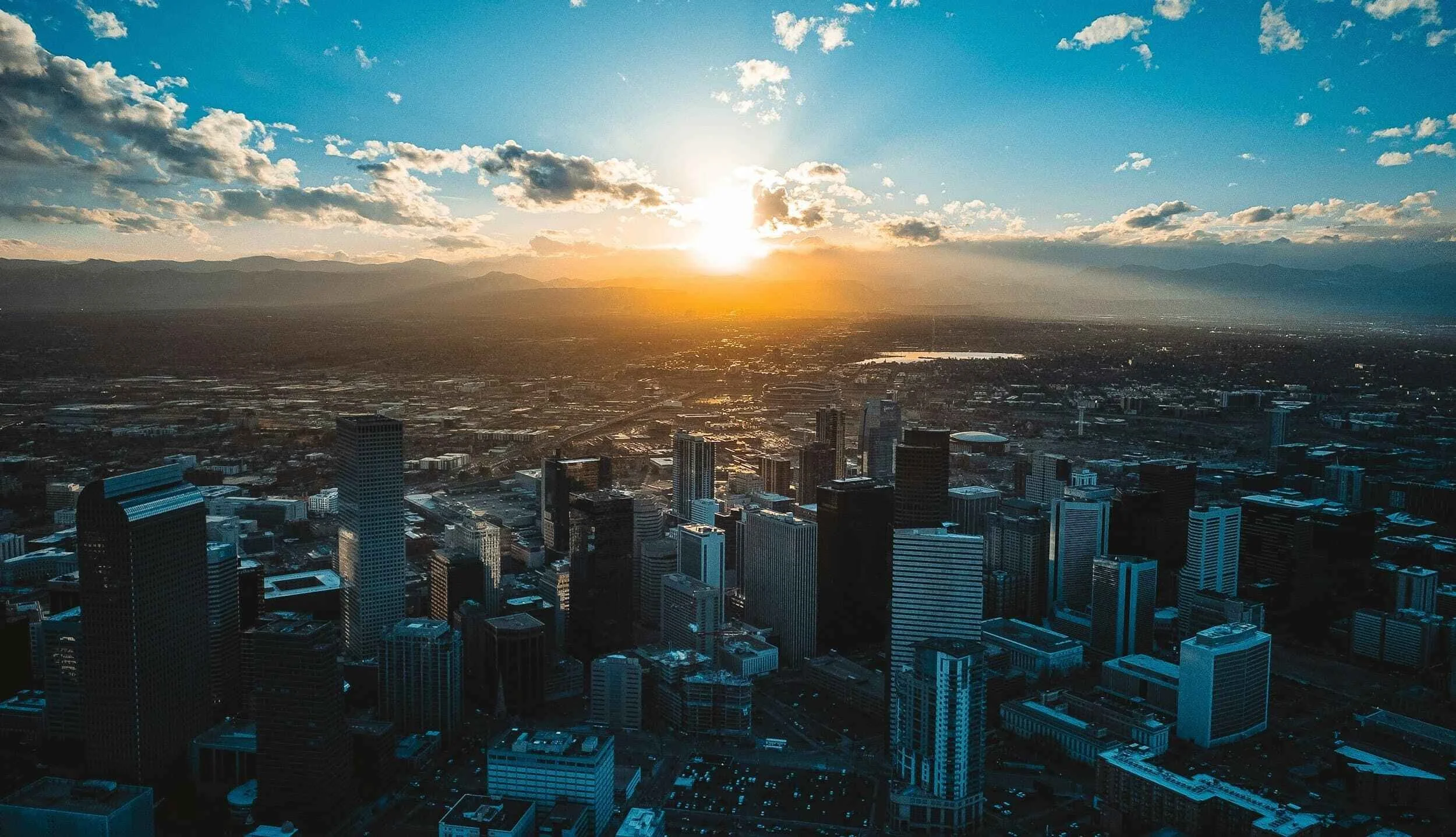
If you live along Colorado's Front Range — whether in Denver, Boulder, Fort Collins, or anywhere in between — you've probably noticed something shifting in how people talk about their health. Conversations that once centered on doctor's appointments and prescription refills now weave in acupuncture, Traditional Chinese Medicine, herbal supplements, and mind-body practices. Yoga studios and holistic wellness centers have become neighborhood staples. And more people than ever are walking into clinics like East West Wellness asking one simple but powerful question: Is there a better way?
The answer, for a growing number of Front Range residents, is yes. Here's why integrative medicine is gaining ground in our corner of Colorado — and why that trend isn't slowing down anytime soon.
The Front Range Has Always Had a Wellness-Forward Mindset
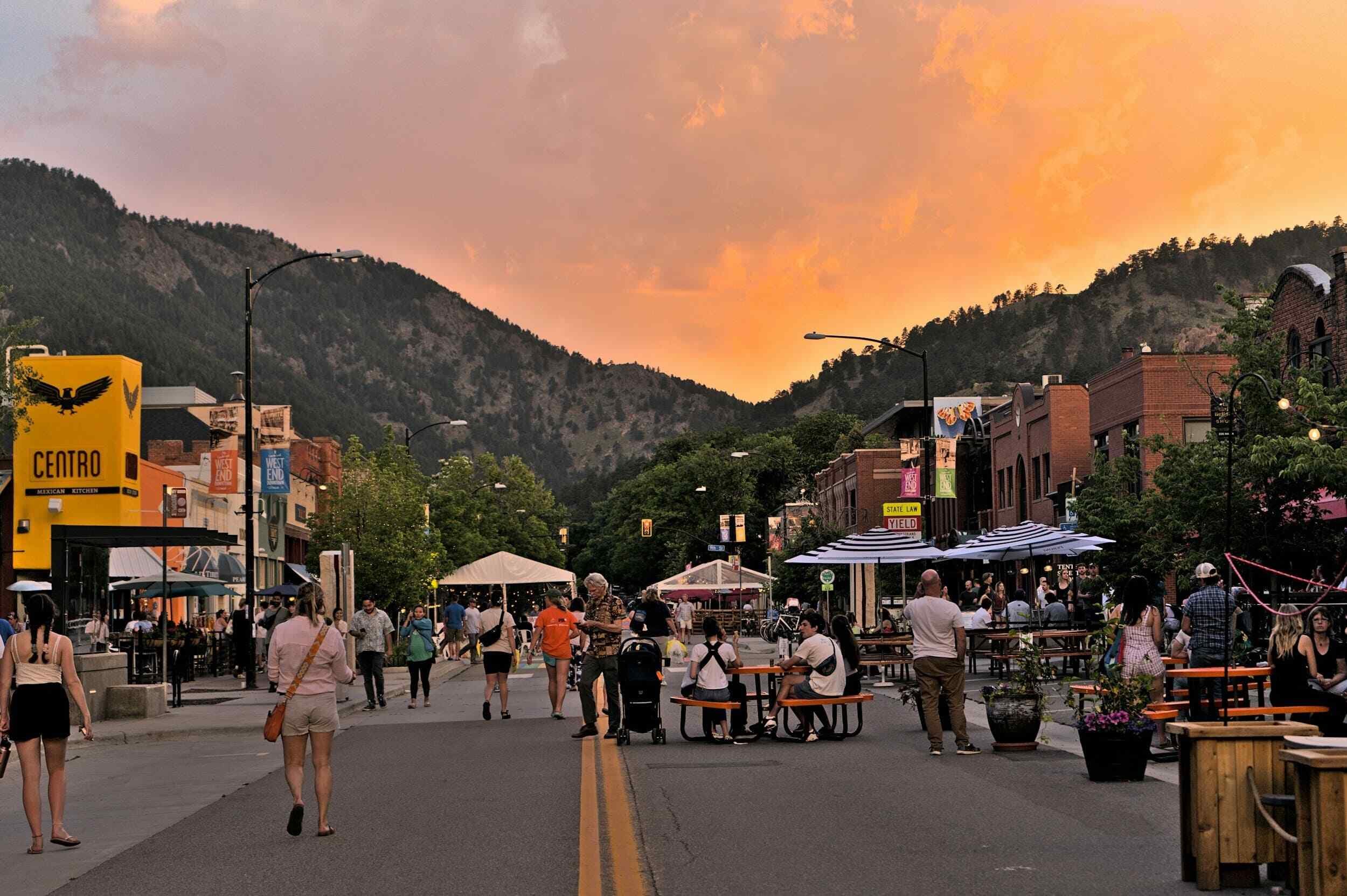
There's something about life at the foot of the Rockies that orients people toward whole-body health. The Front Range corridor enjoys over 300 days of sunshine a year, world-class trail systems, and a deeply rooted culture of outdoor recreation. Whether it's mountain biking the trails above Fort Collins, hiking Boulder's Flatirons, or joining one of Denver's countless running groups, staying active isn't just a hobby here — it's a way of life.
That active lifestyle naturally leads people to pay closer attention to how their bodies feel, what they put in them, and how they recover. Boulder in particular has long served as a kind of national laboratory for wellness culture. The city was one of the first in the United States to tax itself for open space preservation, and it has been home to pioneering institutions in integrative health, nutrition, and movement science for decades. Fort Collins has embraced the same spirit with thriving farmers markets, wellness-focused communities, and a culture that prizes clean eating and preventive care.
Put simply: Front Range residents are already predisposed to think holistically. Integrative medicine didn't create that mindset — it gives it a clinical home.
Conventional Medicine Is Leaving People with Unanswered Questions

For all its remarkable advances, conventional Western medicine has real limitations — especially when it comes to chronic conditions, lingering fatigue, hormonal imbalances, digestive issues, and stress-related illness. Many patients spend years rotating through specialists, collecting diagnoses that treat symptoms without addressing root causes, and leaving appointments feeling like a number rather than a person.
This is one of the most consistent themes we hear from new patients at East West Wellness: I felt like no one was listening to me. Conventional medical care can be impersonal and fragmented, focused on the particular system or body part showing symptoms rather than the whole human being behind them. Alternative Medicine practitioners take a different approach — your medical history, lifestyle, emotional patterns, and family background are all part of the conversation from the first visit.
Colorado is also home to a growing number of patients with conditions that conventional medicine has struggled to resolve — chronic pain, autoimmune flares, chronic fatigue, and anxiety among them. For these patients, integrative approaches that draw on acupuncture, Traditional Chinese Medicine, herbal therapy, and lifestyle medicine aren't a last resort; they're a logical expansion of care.
Colorado Is Leading the Country in Integrative Health
Colorado isn't just following a national trend — it's helping shape it. The state is consistently cited among those at the forefront of complementary and alternative medicine adoption, alongside California and Oregon, driven by a progressive wellness culture and growing practitioner availability.
Denver's density of wellness options is second only to New York City, according to data from fitness and wellness platform ClassPass. The University of Colorado in Boulder houses one of the most highly regarded programs in Integrative Physiology in the country. UCHealth, one of Colorado's largest health systems, now offers integrative medicine services — including acupuncture and Traditional Chinese Medicine — across its metro Denver and Front Range locations. And Colorado hosts its own annual Integrative Medicine Conference, held in Estes Park, drawing clinicians and researchers from across the region to advance evidence-based, whole-person care.
The state has also taken forward-thinking legislative steps in the natural medicine space. In 2022, Colorado voters passed Proposition 122, which opened the door to licensed natural medicine facilitators — a sign of a broader cultural shift toward embracing health modalities outside the conventional mainstream.
The Research Is Catching Up
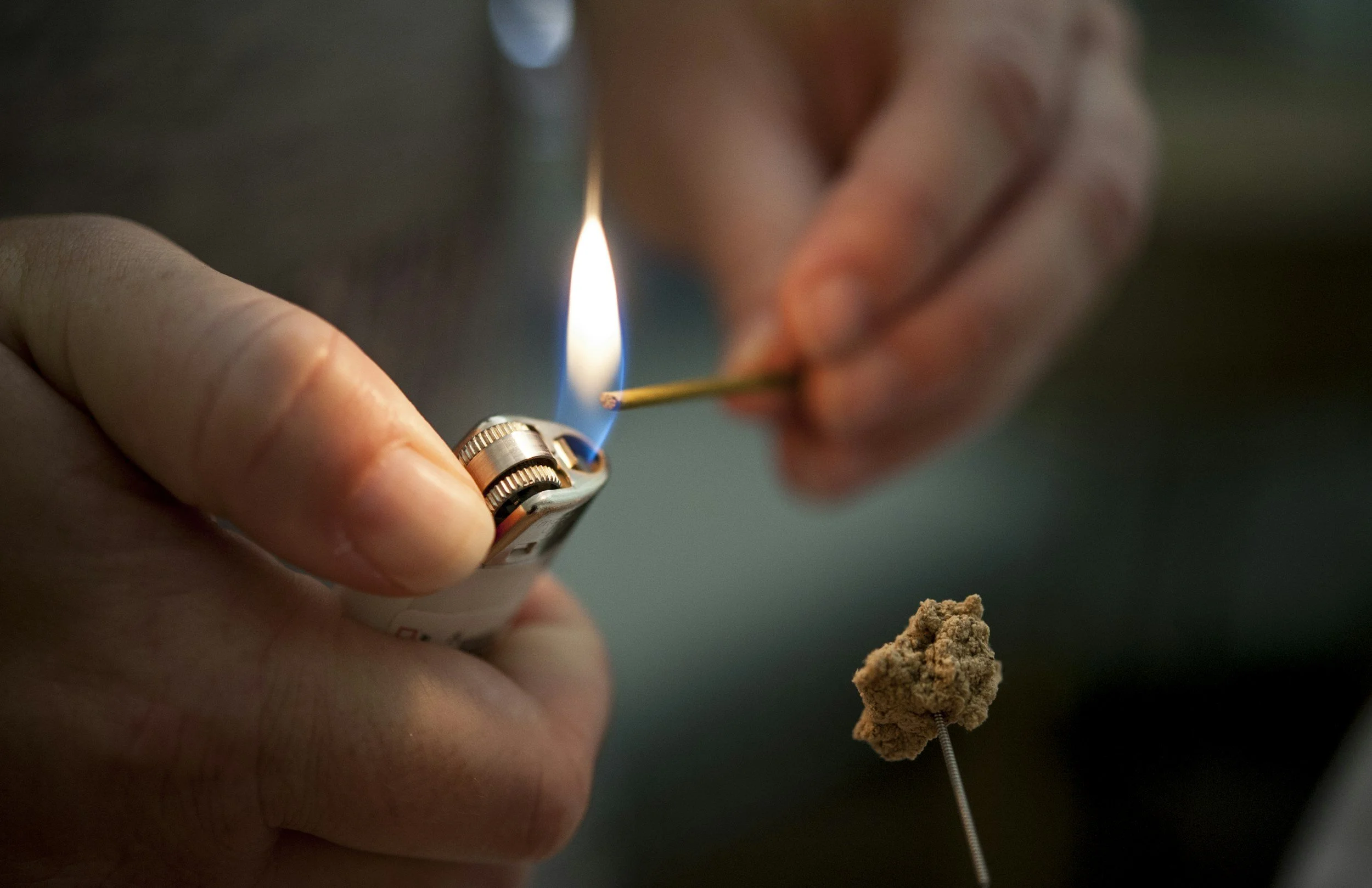
One common concern people have about integrative medicine is whether it actually works. The honest answer is: the evidence base is growing, and it's increasingly compelling.
A 2025 survey of clinicians and healthcare executives by NEJM Catalyst found that 80% of respondents said health outcomes for patients receiving integrative care were better or significantly better compared to the general population. Patient experience improved in 93% of organizations offering integrative services. The same survey found that integrative care was also linked to improvements in population health, provider experience, and even health equity.
The National Institutes of Health's National Center for Complementary and Integrative Health has significantly expanded its research investment over the past decade, focusing on whole-person health approaches. Acupuncture, in particular, has accumulated a robust body of evidence for pain management, anxiety, and chronic illness — and its acceptance within major health systems is growing as a result.
This matters for Front Range patients who want to know they're making evidence-informed choices about their care. At East West Wellness, we believe the best outcomes come from combining the strengths of Eastern and Western medicine — not asking patients to choose between them.
Altitude, Activity, and the Unique Health Demands of Front Range Life
Living on the Front Range isn't without its physical demands. High altitude affects everything from hydration and sleep quality to cardiovascular function and recovery time. Seasonal shifts — dry summers, cold winters, wildfire smoke — place additional stress on respiratory and immune systems. And the same active culture that makes this region so vibrant also means a higher incidence of overuse injuries, joint pain, and the chronic inflammation that comes with pushing hard year after year.
Integrative medicine is uniquely well-suited to these realities. Acupuncture has a long track record in supporting athletic recovery and addressing musculoskeletal pain. Chinese herbal medicine can support immune resilience through Colorado's challenging seasons. Mind-body practices like meditation and breathwork address the stress and anxiety that come with the fast-paced lifestyle of Front Range urban centers. And nutritional guidance rooted in both Eastern food philosophy and modern science can help residents fuel and replenish their active lives more effectively.
A Community Ready for What's Next
The national complementary and alternative medicine market — which includes integrative medicine — is one of the fastest-growing sectors in healthcare, with projections showing massive expansion over the next decade. The drivers are consistent: more people seeking holistic and preventive approaches, growing dissatisfaction with symptom-only care, and increasing acceptance among conventional healthcare providers who see integrative therapies as powerful complements to standard treatment.
On the Front Range, that shift is already well underway. The community infrastructure is here — the farmers markets, the trail systems, the wellness culture, the progressive healthcare institutions. What's growing is the clinical depth: more practitioners, more evidence, and more integration between Eastern wisdom and Western medicine.
At East West Wellness, we've been part of this shift. We see it in the patients who come to us after years of feeling unheard, and leave with a path forward that honors the whole person they are. We see it in the growing number of people in Denver, Boulder, and Fort Collins who are no longer asking if integrative medicine is valid — they're asking where do I start?
If you're curious about what integrative medicine might do for you, we'd love to talk. Our team at East West Wellness combines the best of Eastern and Western approaches to create personalized care plans that address root causes, not just symptoms.
Ready to take the first step? Schedule a consultation with East West Wellness today.