Raynaud’s: Integrative Care for Cold Hands & Circulation
Your veins and arteries form an intricate network that delivers oxygen and nutrients to every organ while clearing waste from the body. When these vessels are flexible and strong, circulation runs smoothly. But when their function is disrupted, they become more vulnerable to stress, temperature changes, and disease. Genetics, lifestyle, and diet all influence how well our vessels maintain this resilience.
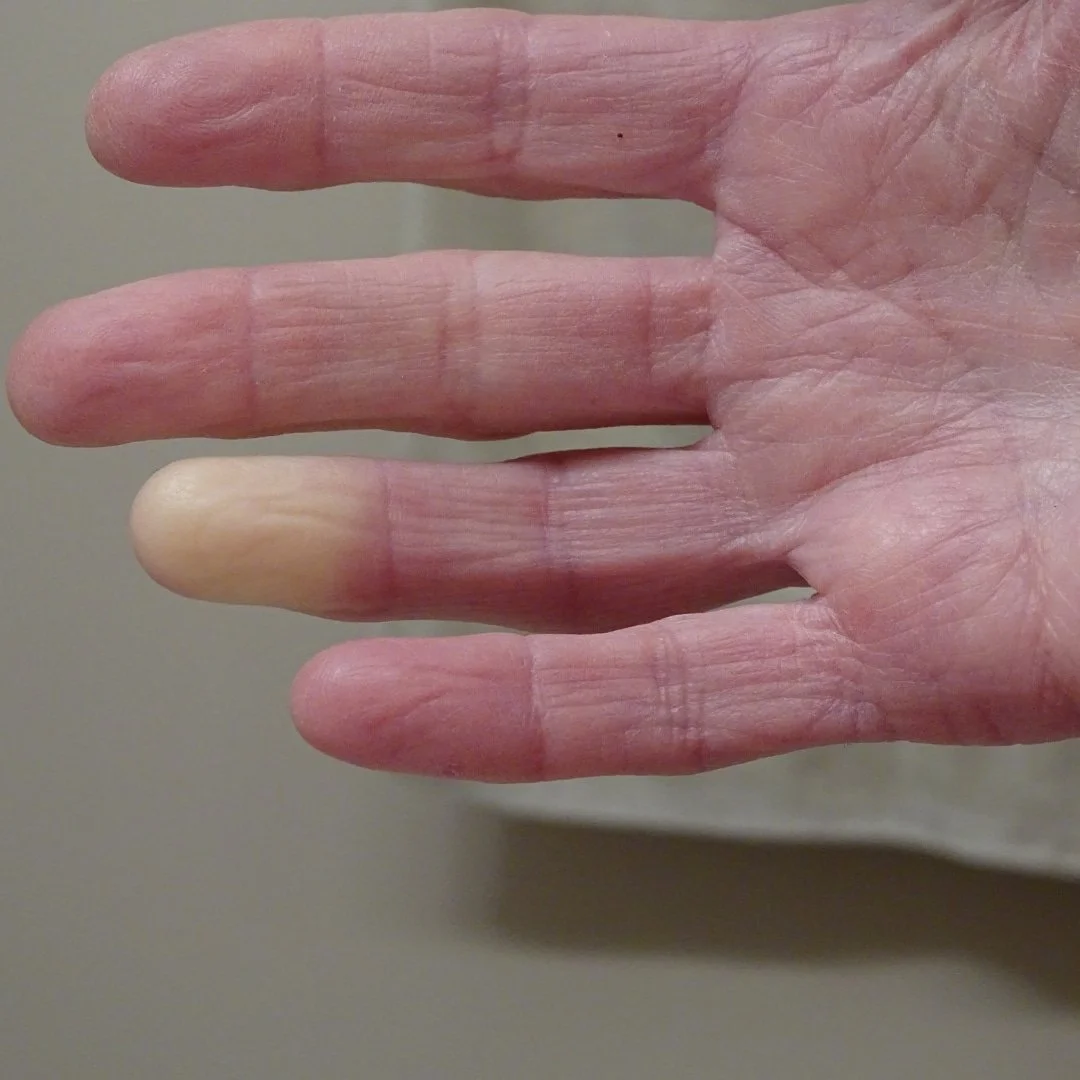
Raynaud’s disease (or Raynaud’s phenomenon) is a vascular condition in which small arteries—most commonly in the fingers and toes—suddenly constrict in response to cold or emotional stress. Blood flow temporarily drops, causing the skin to turn white or blue and feel numb or tingly, followed by redness as circulation returns. Raynaud’s can occur on its own (primary) or alongside autoimmune and connective-tissue conditions (secondary). Because symptoms often worsen in cold climates and primarily affect younger women, Raynaud’s can significantly impact daily comfort and quality of life.
Conventional Western Approach
In Western medicine, Raynaud’s is diagnosed through a medical history, physical exam, and, when needed, tests such as nailfold capillaroscopy or blood work to rule out autoimmune conditions. Treatment aims to reduce the frequency and severity of attacks by keeping the body warm, avoiding cold exposure, and managing stress. When symptoms persist, physicians may prescribe vasodilating medications such as calcium-channel blockers to help open small vessels. In rare cases of severe or prolonged blood-flow compromise, more advanced interventions may be necessary. The overall goal is to protect tissue health, minimize discomfort, and address any underlying causes.
Integrative & TCM-Informed Support
At East West Wellness, we approach Raynaud’s through both integrative and functional lenses, recognizing patterns of “cold,” stagnation, and constitutional imbalance described in Traditional Chinese Medicine (TCM). This perspective helps us support circulation, warm the extremities, and strengthen the body’s natural ability to regulate temperature and stress.
Herbal Support
TCM herbal therapy for Raynaud’s focuses on warming the interior, invigorating blood flow, and addressing underlying qi or yang deficiency. Classical formulas such as Dang Gui Si Ni Tang, Si Ni San, or customized blends can nourish blood and enhance circulation. A 2020 systematic review in Medicine found that combinations like Buyang Huanwu Tang plus Dang Gui Si Ni Tang showed greater symptom improvement than calcium-channel blockers in primary Raynaud’s—though high-quality studies remain limited. Clinically, these findings align with what we frequently observe at East West Wellness. Herbal therapy is always individualized based on pulse, tongue, constitution, and the unique presentation of each patient.
Moxibustion & Acupuncture
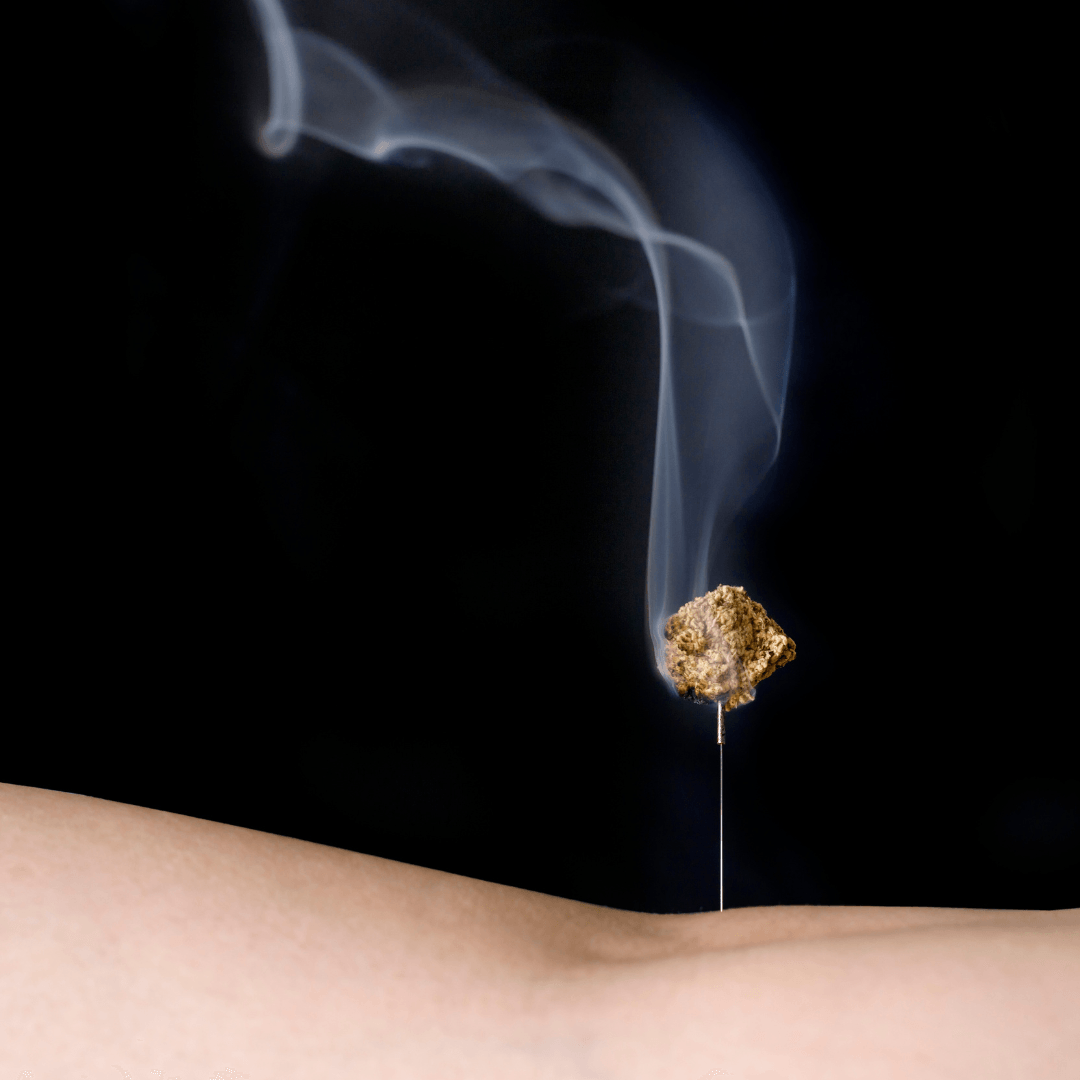
Moxibustion—using gentle warmth from burning mugwort (moxa) over specific acupuncture points—helps warm the meridians, dispel internal cold, and encourage healthy qi and blood circulation. For Raynaud’s, it can be especially effective in warming the hands and feet, improving microcirculation, and reducing sensitivity to cold. Acupuncture may be paired with moxa to further promote circulation, calm stress triggers, and support whole-body balance. Together, these therapies offer a warming, restorative approach that complements lifestyle and herbal strategies for ongoing support.
In addition to TCM-based therapies, we may incorporate functional and genomic testing to better understand your vascular health. These tests can reveal nutrient deficiencies, inflammatory patterns, or genetic variations that affect circulation, helping guide personalized interventions to support long-term vascular resilience.
Why an Integrative Approach Matters
Raynaud’s is more than a circulation issue—it reflects how the body responds to cold, stress, and constitutional imbalance. While conventional treatments can reduce attacks, many individuals benefit from a broader strategy that strengthens overall resilience. By combining Western medical insight with TCM principles, East West Wellness addresses both symptoms and the underlying terrain, offering a warmer, steadier, and more balanced path forward.
What to Expect at East West Wellness
Your care begins with a comprehensive assessment—including your history, triggers, symptoms, and a full TCM evaluation of pulse, tongue, and constitution. From there, we design a personalized plan that may include moxibustion, acupuncture, tailored herbal formulas, and lifestyle guidance to support healthy circulation and reduce flare-ups. As your condition or seasons shift, your plan evolves with you. We also coordinate with your primary or specialty providers as needed to ensure safe, truly integrative care.