
An Integrative Approach to Alpha-Gal Syndrome
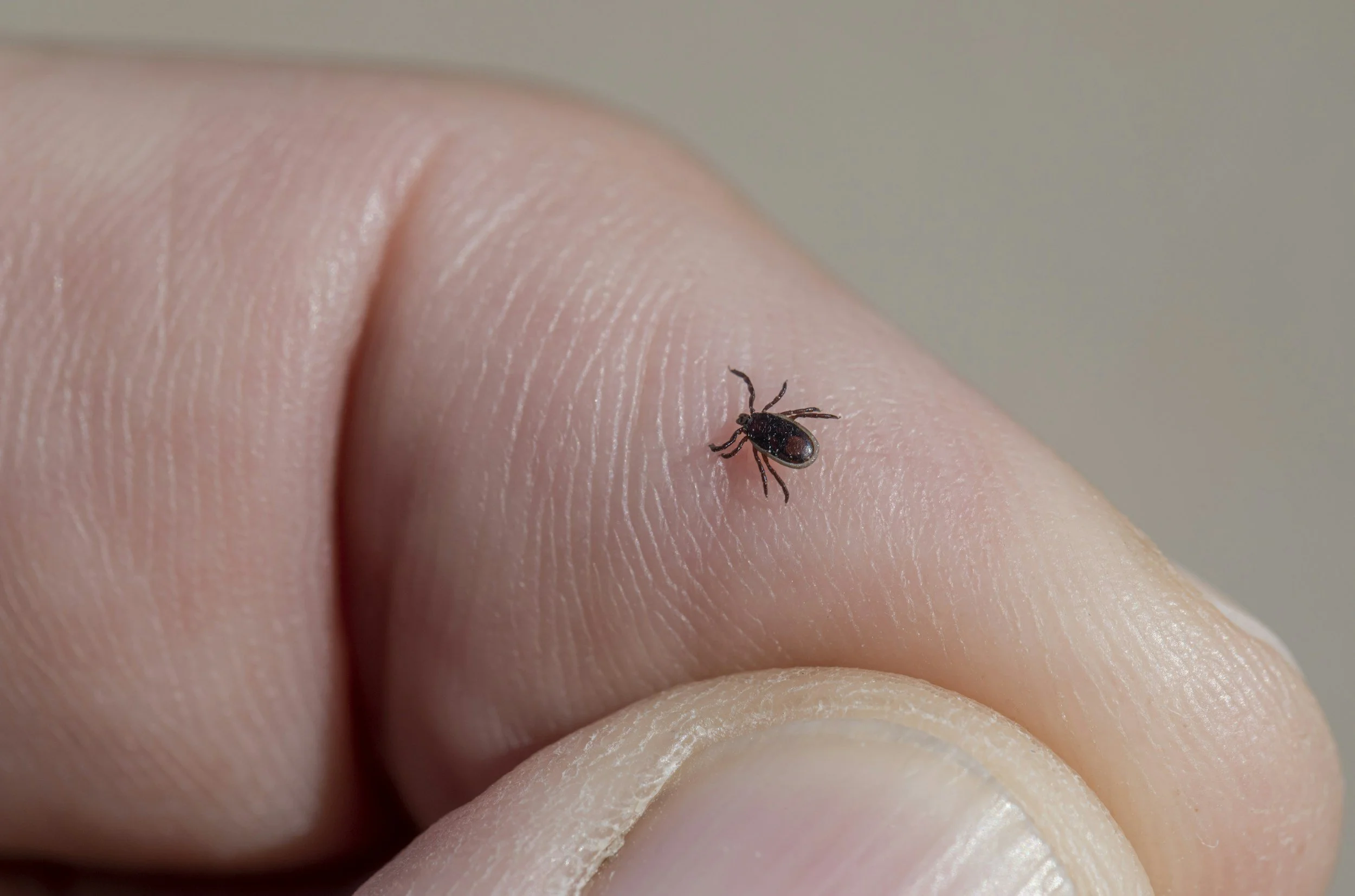
Alpha-Gal Syndrome (AGS) is a complex, acquired allergy that can develop after a tick bite. It causes an immune reaction to alpha-gal, a carbohydrate found in most mammalian products. Unlike many food allergies, symptoms are often delayed several hours after exposure, making the connection between food and symptoms difficult to recognize.
Symptoms can include hives, itching, swelling, abdominal pain, nausea, diarrhea, dizziness, breathing difficulties, and, in some cases, anaphylaxis. Reactions can vary significantly from person to person and even from one exposure to another.
What is Alpha-Gal Syndrome?
Alpha-gal, short for galactose-alpha-1,3-galactose, is a carbohydrate found in most mammals. Alpha-Gal Syndrome is an immune-mediated allergy in which the body produces IgE antibodies to alpha-gal. In the United States, sensitization most commonly occurs following a bite from the lone star tick, although other tick species have also been implicated.
The delayed nature of the reaction can make AGS particularly difficult to identify. Symptoms commonly develop 2–6 hours after exposure, although timing can vary. A person may experience hives or swelling, abdominal pain, nausea, diarrhea, dizziness, or respiratory symptoms. Reactions can also vary from one exposure to another, and not everyone with AGS reacts to every product containing alpha-gal.
The condition can involve more than food. Depending on an individual's sensitivity, reactions may occur with mammalian meat, dairy products, gelatin, certain medications, supplements, or other mammal-derived ingredients. This makes understanding individual triggers an important part of managing the condition.
How is Alpha-Gal Diagnosed?
Diagnosis begins with a detailed medical history, including the timing and nature of symptoms, possible tick exposure, and reactions to foods or other products. A blood test measuring alpha-gal–specific immunoglobulin E (IgE) is the primary laboratory test used in diagnosis. Allergy skin testing may also be used in some cases.
Importantly, a positive alpha-gal IgE test does not by itself establish that someone has Alpha-Gal Syndrome. Some people have antibodies to alpha-gal but do not experience clinical symptoms. Test results need to be interpreted together with the person's symptoms, exposure history, and pattern of delayed reactions.
Because AGS can cause serious or potentially life-threatening allergic reactions, diagnosis and medical management should be coordinated with an allergist or other qualified healthcare provider. Avoidance of known triggers, prevention of additional tick bites, and having an emergency plan are important components of conventional care.
Our Approach to Alpha-Gal
At East West Wellness, we focus on helping you maintain your health and nutritional status while living with the dietary restrictions of Alpha-Gal Syndrome. The goal is not simply to create a longer list of foods to avoid, but to understand what you can safely eat and build a nourishing, sustainable diet around those foods.
Personalized Nutrition
Nutrition is an especially important part of Alpha-Gal care because eliminating mammalian foods and other potential sources of alpha-gal can significantly change the way a person eats. Depending on the individual's restrictions, this can affect protein intake as well as nutrients such as iron, vitamin B12, calcium, vitamin D, and other essential nutrients.
Dr. Donna brings nearly 30 years of experience as a Registered Dietitian working with nutrition, immune regulation, and food sensitivities. Her experience allows her to look beyond simply removing foods and instead consider how to maintain adequate nutrition, support digestion, and create practical meals that can be sustained over time.
This may include reviewing your current diet, identifying nutritional gaps, evaluating appropriate laboratory markers when indicated, and developing a personalized nutrition plan based on your individual sensitivities and health needs. A 2026 review of nutritional considerations in AGS also emphasizes the important role of registered dietitians in nutrition assessment, education, and medical nutrition therapy for people living with this condition.
Functional Medicine
Alpha-Gal Syndrome does not occur in isolation from the rest of your health. We look at factors such as digestive health, nutritional status, inflammation, metabolic health, sleep, stress, and overall lifestyle to understand where additional support may be appropriate.
When indicated, functional or conventional laboratory testing may help identify nutritional deficiencies or other areas that deserve attention. Testing is not used to diagnose Alpha-Gal Syndrome itself, but to help personalize care and support your overall health while managing the allergy.
Traditional Chinese Medicine & Acupuncture
Traditional Chinese Medicine looks at the individual pattern of symptoms rather than treating a diagnosis alone. Acupuncture may be used to support digestion, sleep, stress regulation, and overall balance based on your individual presentation.
Auricular acupuncture has also been studied specifically in Alpha-Gal Syndrome. A 2021 retrospective case series involving 137 patients reported encouraging results using a specific auricular acupuncture protocol. While these findings are interesting, the study was not a randomized controlled trial, and more research is needed before the treatment can be considered established therapy for AGS.
At EWW, acupuncture is considered complementary care and is not a replacement for allergist-directed treatment, trigger avoidance, or emergency medications.
Living Well With Alpha-Gal Syndrome
Managing Alpha-Gal Syndrome can be challenging. Food restrictions can affect nutrition, social activities, travel, restaurants, and even your confidence around eating. It can also be frustrating when the foods you once considered healthy or familiar are suddenly no longer appropriate for you.
Our goal is to help you navigate those changes without unnecessarily restricting your diet or losing sight of your overall health.
By combining Dr. Donna's extensive experience in nutrition and food sensitivities with functional medicine, Traditional Chinese Medicine, and acupuncture, we take a whole-person approach to supporting your health while you manage Alpha-Gal Syndrome.
We listen. We assess. We treat the whole person.
If you have been diagnosed with Alpha-Gal Syndrome and are looking for individualized nutritional and integrative support, schedule an appointment with East West Wellness.
Read our blog on Allergies & Food Sensitivites